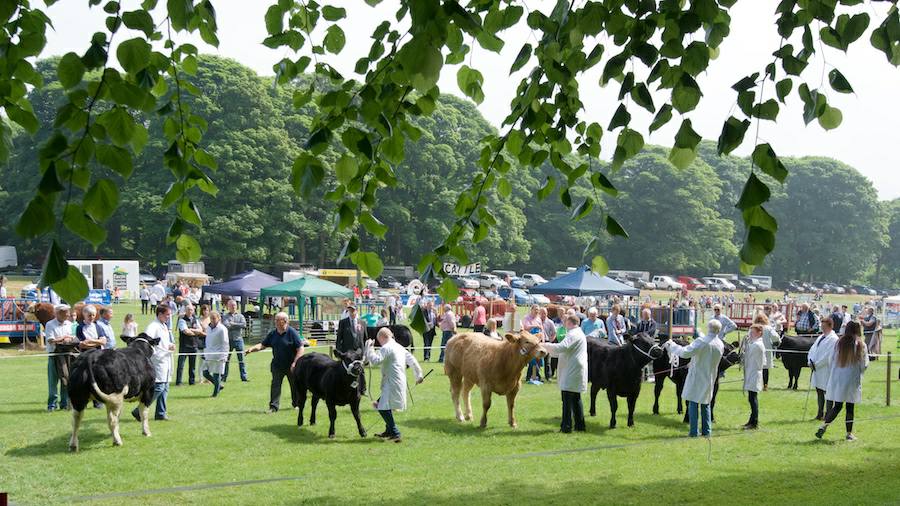
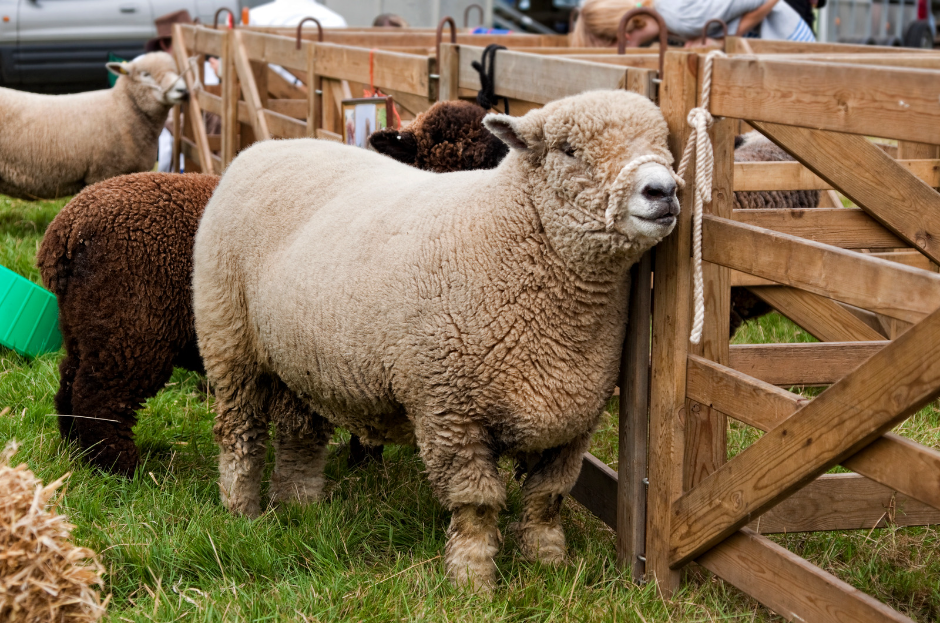
As show season approaches, we look forward to seeing the best of British livestock being paraded for all to admire. Agricultural shows are a fantastic opportunity for farmers to demonstrate the top-quality animals they work so hard to produce, meet with other breeders, and enjoy a few well-deserved drinks with friends. In order to keep enjoying these events, is important to be sure it is rosettes, not diseases, you are likely to be bringing home with you. Here we’ll go through some of the disease risks you should be aware of, and what you can do to mitigate them. Please note this is far from an exhaustive list! We’ll also clarify the pre-movement and standstill rules for each species.
Main cattle disease risks:
- Tuberculosis – cattle in the High Risk and Edge area (all of the Cotswolds) will need to have passed a pre-movement TB test within the 60 days prior to the show. Remember the skin test is not perfect – it is possible for cattle with early stages of TB to pass the test, so by taking your cattle to any show, there is still a small risk of catching TB. This should be taken into greater consideration if you are planning on travelling to a show in the High Risk area. Maps depicting the different TB risk areas can be found on the ibTB and TB Hub websites. It is recommended that show cattle are kept isolated from the rest of the herd throughout the show season, and a private TB test carried out prior to mixing them back in.
- BVD – it is recommended that cattle from BVD positive herds are not brought to shows, however there are no laws to prevent this. If a bovine is infected with BVD, they may develop a mild fever but usually no obvious ill effects, however they will shed the virus for around 3 weeks before fighting it off, potentially spreading it to other animals. If a pregnant cow or heifer becomes infected prior to 150 days’ gestation, the foetus will very likely be aborted, develop deformities, or be born as a normal-looking persistently infected (PI) calf, which will then spread the virus for life. This should be taken into consideration if you are planning to show a pregnant animal – up to date BVD vaccination is an absolute necessity.
- Respiratory disease – viruses such as IBR, RSV and PI3, as well as bacteria such as Pasteurella and Mannheimia, can be carried latently in healthy animals. However after stresses such as travelling, the immune system can take a hit, and these pathogens start to replicate. They can then cause respiratory disease in the host animal, as well as being spread via coughing and nasal contact to others. It is recommended that all show animals are protected by vaccination such as Bovalto 4 and Bovilis IBR.
Main sheep disease risks:
- CLA – this highly contagious bacterial disease is usually easily recognisable, due to the development of abscesses around the jaw, neck and base of the ear. However it can be harder to spot in early stages, when the affected animal is in full fleece or if the disease has taken its rare visceral (internal) form. It is spread via direct contact with infected sheep (e.g. through the bars of adjacent pens) or indirectly through sharing equipment. It is extremely hard to treat and usually managed through isolation and culling of infected animals. It is recommended to avoid sharing grooming equipment and place solid barriers on hurdles between adjacent pens.
- Maedi-visna (MV) – MV is a viral disease that causes pneumonia, wasting, ataxia, paralysis, arthritis and chronic mastitis. It can take many years to show itself but is ultimately fatal, and can be spread from sheep to sheep prior to any clinical signs appearing. Most shows have a dedicated MV-free area for animals from MV-accredited flocks. If you are showing sheep frequently, please speak to your vet about the process of becoming MV-accredited.
- CODD – sheep may carry the Treponeme bacteria responsible for Contagious Ovine Digital Dermatitis for up to 100 days before showing any signs of lameness. In this time, they can easily spread the bacteria to other sheep sharing the same pasture or bedding. Footvax vaccine provides indirect protection against CODD, by improving immunity against the primary bacterial agents, D. nodosus and F. necrophorum. Footbathing and quarantining on return from shows is recommended.
Standstill rules at agricultural shows:
Animals being transported to and from shows are exempt from the general licence movement standstill rules, provided the following rules are observed:
- Cattle and sheep must be isolated from non-show livestock in an APHA-approved isolation facility, for 6 days prior to movement to the show, and for 6 days after return. Isolated animals may move to another show within those 6 days. Alternatively, they may travel directly from one show to another.
- Pigs must be isolated from non-show livestock in an APHA-approved isolation facility, for 20 days prior to movement to the show, and for 20 days after return. Isolated animals may move to another show within those 20 days. They must be individually identified and not share the facility with other species.
General recommendations for agricultural shows:
- Avoid sharing transport with livestock from other farms.
- Trailers should be disinfected before and after use.
- Do not share water buckets, grooming tools, halters or any other equipment. All equipment should be disinfected after returning from shows.
- Foot dip and hand wash when entering and leaving livestock areas at all agricultural shows.
- Avoid keeping animals at the showground for longer than absolutely necessary.
- Speak to your vet about a comprehensive vaccination plan at least a month before showing starts.
- It is advised that all animals are quarantined for at least 3 weeks after returning from shows. Animals should be monitored closely for signs of illness throughout this time and only re-introduced if completely healthy.
Written by Kate Parrish, HNVg Farm Vet, BVSc MRCVS