Gastroscope Clinic – 16th June
Is your horse showing any of these signs?
> poor performance
> negative changes in attitude
> abdominal discomfort/girthiness
> grumpiness
> poor coat
> poor appetite
> low-grade colic symptoms
The only way to diagnose if an ulcer is present is via gastroscopy.
What is Gastroscopy?
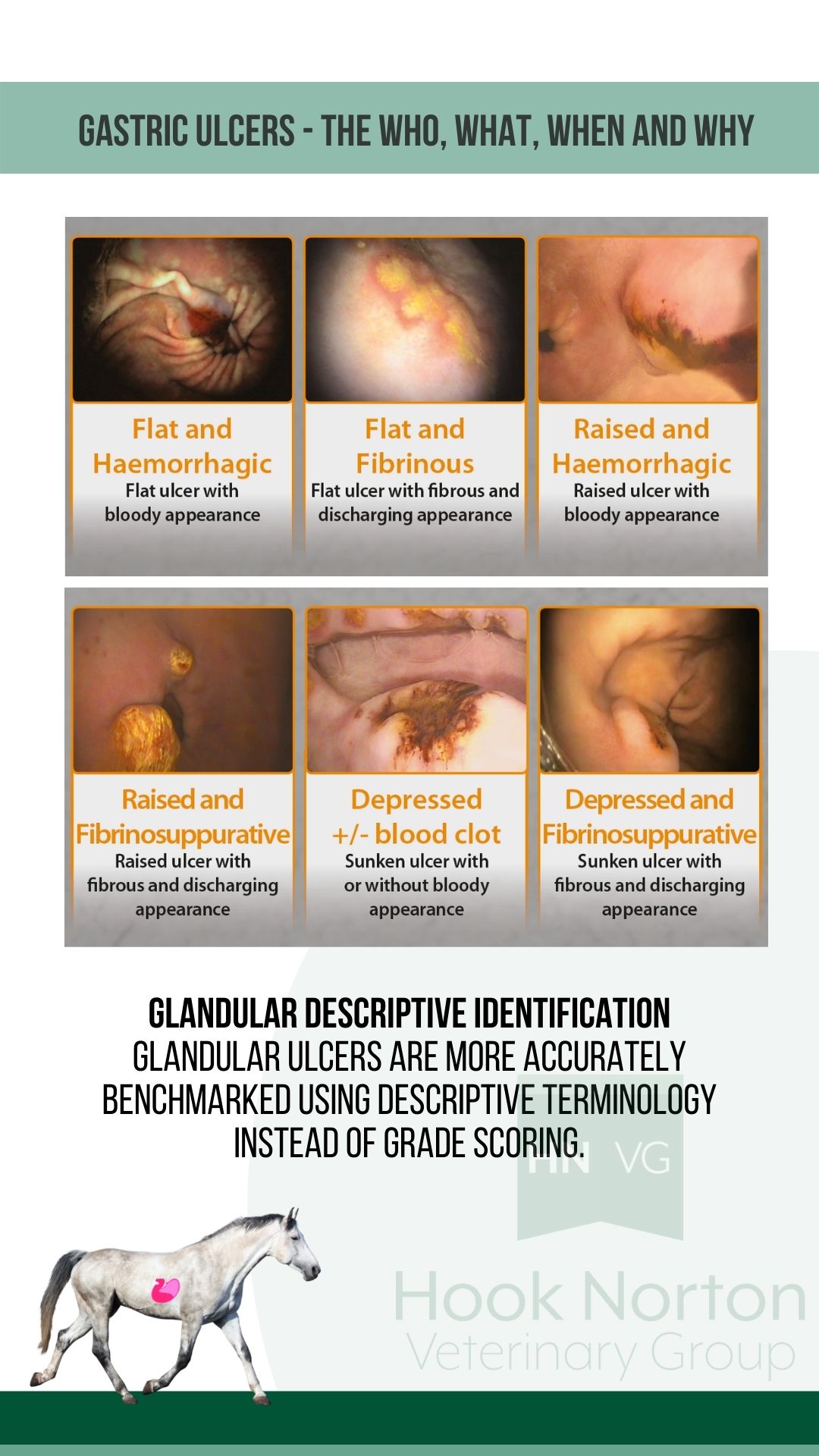
A gastroscope is used to diagnose gastric ulcers, and it involves passing a long (very flexible!) tube with a camera at the end down the horse’s oesophagus and into the stomach; allowing the vet to get a clear view of the stomach lining to see if and what type of ulcers may be present.
Gastroscope clinic offer only £120, for scope, sedation, and a veterinary report (if your horse is starved at home), for all scopes carried out on the 16th of June. If you would like to bring your horse in the night before to be starved in the clinic, there is an additional £30 charge.
We can also offer a discounted lameness examination of £50. Examining the horse as a whole is important because many horses with gastric ulcers have an underlying stress factor such as mild lameness. Your vet will assess your horse at walk and trot on a straight line, perform flexion tests and also assess them at trot on a hard circle.
If you’re not sure if your horse is showing signs of Gastric Ulcers, feel free to contact us and speak to one of the equine vets.
In short
Gastroscopy clinic on 16th June, £120 per horse
added extras (as requested by the client)
• stabled and starved overnight at HNVG £30
• discounted lameness examination £50
Limited spaces are available, contact us now to book your spot.
T: 01608 730085 or
E: equine@hooknortonvets.co.uk
This offer is only available on the 16th of June. The lameness examination has been discounted for the gastroscopy clinic and only applies if your horse has the gastroscopy procedure. If your horse has ulcers and requires medication, you can purchase the medication via HNVG or purchase a written prescription from us to buy the drugs online. All prices stated include VAT.