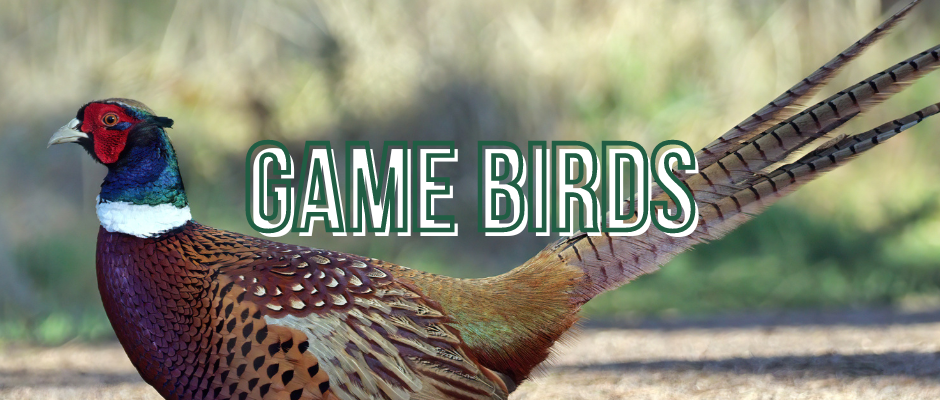
Game Birds – buying in poults
July 28, 2023 | by Charlie Hands | Farm
Many farm shoots will be buying in game bird poults this month and placing them in release pens. Here are a few tips to help you.
1. Prepare the pen well. Both pheasant and partridge pens should be vermin-proof with a fully charged electric current around the perimeter. Beware of any water courses in release pens, as these allow vermin in. Ensure they are well-fenced; double-check the wire and pop holes, as these can allow birds to leak out and let vermin in.
2. Provide plenty of feeders with water beside each one, especially in the first few weeks, when poults are small and can get lost in a large pen. It’s a good idea to clear around the inside perimeter fence and ensure some well-cut paths are in the pen. Try to ensure the ground around drinkers and feeders does not get mucky. Try using concrete slabs, bits of carpet and shingle/gravel. Regular movement of feeders and drinkers is essential.
3. Food supply. Ensure you have food ordered before arrival, with any medicated food ordered and prescriptions in place ahead of time, e.g. wormers. It is best to monitor food consumption by topping up feeders daily and not overfilling them. This also keeps the food as fresh as possible.
4. Dead poults. Collect any daily, and if the losses are excessive [more than 1%], present them for post-mortem at our HOOK NORTON surgery. It’s important to present as many fresh birds as available, plus any moribund (dying) birds. Please ring the practice first for an appointment.
5. Disease. We have already seen outbreaks of Hexamita in pheasant release pens and coccidiosis in partridges. Vigilance and early detection are vital. Signs are lethargic birds with puffed-up feathers, poor condition (razor-like breast bones), a change in the consistency of droppings from normal to frothy and pasty, and reduced food consumption.
6. Medicating sick birds is best done in drinking water. It is best to have a header tank in the pen to allow for easier medication, as water troughs can be more time-consuming.
7. Wing clipping is an individual preference. However, it does allow birds to stay at home and in the pen longer and therefore helps keep the birds local to the pen. The drawbacks are if you get any predators in the pen or get a build-up of disease.
8. Worming is very important and should commence 3 weeks after putting in the release pen. The easiest method is in feed and should continue for 1 week. If you put medication in the water, depending on the product, this is usually a single treatment. Repeat worming should be carried out every 3 weeks.
9. Gapes are caused by a roundworm and cause birds to snick and gape for air. ALL the wormers most commonly used control it, and regular worming should prevent problems. If you get an outbreak, consult the surgery for advice.
We hope your birds stay healthy and you have a good shooting season. If you have any questions, please contact the surgery for help.
Written by Charlie Hands
Marketing Executive
Back to news