Herbal Leys: Healthier Livestock and Sustainable Grazing
Herbal leys are designed to:
> Improve soil structure due to the combination of diverse growth habits of species, which enhances soil aeration and microbial activity, key for supporting healthy livestock pasture.
> Reduce runoff, as better soil structure allows for increased water infiltration, decreasing the risk of soil erosion and nutrient loss, and improving grazing conditions for livestock.
> Enhance grass resilience in both wet and dry periods, the deep-rooting nature of herbal leys increases drought resistance while improving drainage in wetter conditions, ensuring consistent forage availability for cattle and sheep.
> Increase soil fertility. Legumes such as clover fix nitrogen, reducing the need for artificial fertilisers. Legumes can fix around 180kg N/ha, cutting input costs and enhancing sustainability in livestock grazing systems.
> Extend the grazing season, providing fresh forage for longer periods and supporting steady livestock liveweight gains.
> Support rotational grazing, which leads to improved daily liveweight gains of up to 0.7-1.6kg per day in beef cattle and lambs.
> Boost biodiversity and carbon sequestration, creating a healthier and more sustainable ecosystem for grazing livestock.
> Increase flowering species, offering essential nectar and pollen sources for bees, butterflies, and hoverflies, while also contributing to pollinator-friendly livestock farms.
What Makes a Good Herbal Ley?
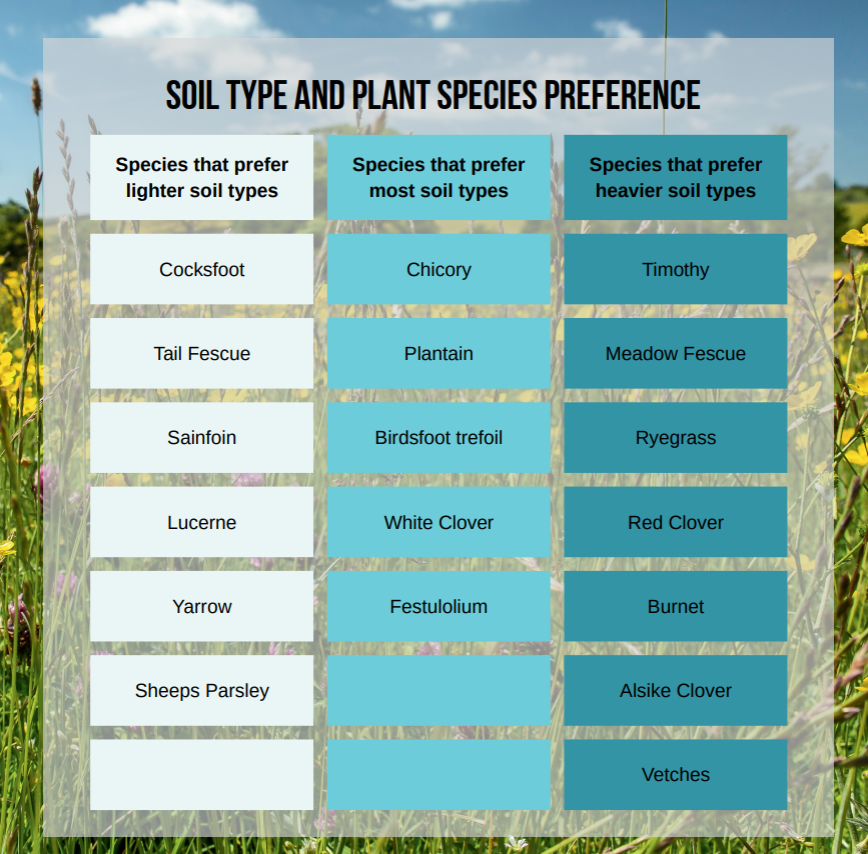
A well-balanced seed mix should include:
> At least five species of grasses to provide a stable and resilient base for livestock grazing.
> A minimum of three legume species for nitrogen fixation and improved soil fertility that directly benefits forage quality for cattle and sheep.
> Five or more herb and wildflower species to promote biodiversity, pollinator attraction, and mineral-rich forage that enhances livestock health.
A four-year rotation is considered optimal, allowing sufficient time for root development, soil fertility enhancement, and species diversity maintenance in rotational grazing systems.
This type of herbal ley seed mix for sheep and cattle supports long-term grazing efficiency and farm sustainability.
Key Considerations When Designing a Seed Mix
> Balance cost with ley duration. Cheaper legumes and herbs may not persist as long, necessitating more frequent reseeding on livestock farms.
> Increase seeding rates for legumes and herbs if they do not persist well in the ley, especially in high-density livestock areas.
> Use sainfoin on soils high in calcium carbonate as it struggles to establish in other soil types—ideal for cattle and sheep systems in chalky regions.
> Prioritise deep-rooting species to improve drought resistance and soil health, ensuring year-round pasture availability.
Species with Anthelmintic Properties
Certain plants in herbal leys have natural anthelmintic properties that can help manage parasite burdens in livestock, offering a natural wormer alternative to chemical treatments:
> Sainfoin
> Chicory
> Birdsfoot trefoil
These natural wormer plants for grazing animals work by reducing nematode egg hatching, inhibiting larval development, and limiting larval mobility in grazing livestock. Additionally, they may indirectly enhance host resistance by reducing microbial protein breakdown in the rumen, thereby improving overall cattle and sheep health.
Grazing Herbal Leys
Grazing management for herbal leys is critical for maintaining productivity and biodiversity.
> Light grazing in the first year is recommended to control annual weeds and encourage plant tillering and root development, ensuring a robust start for livestock pasture.
> Rotational grazing with rest periods is the best management strategy after the first year, ensuring forage regrowth and maintaining soil health in sustainable livestock systems.
> Start grazing when the ley is between 0.5 to 1 metre high, allowing plants to establish sufficient biomass for high-quality cattle and sheep feed.
> Graze down to half the initial height, ensuring livestock benefit from nutritious forage without depleting plant reserves.
> Move livestock regularly to new grazing areas to prevent overgrazing and allow pasture recovery.
> Maintain vegetation at a minimum of 8cm height throughout the growing season to sustain productive regrowth and consistent livestock nutrition.
Additional Benefits of Herbal Leys
Herbal leys provide a more balanced diet for livestock, as they contain a variety of nutrients and minerals that conventional grass leys may lack. The presence of tannin-rich species like sainfoin can enhance protein utilisation and reduce the risk of bloat in cattle and sheep. Furthermore, herbal leys contribute to improved soil microbial activity, leading to long-term soil health improvements, which benefit future cropping and forage cycles.
By integrating herbal leys into a rotational grazing system, farmers can improve their livestock’s performance, enhance soil fertility, and contribute positively to environmental sustainability.