Laminitis is an inflammatory condition of the feet which causes lameness in horses and ponies (and donkeys!). The laminae that bond the hoof wall to the pedal bone become inflamed, causing excruciating pain. This can result in the pedal bone rotating within the hoof under the weight of the horse, and in extreme cases, the pedal bone can penetrate the sole of the foot.
Signs of laminitis
- A stiff, ‘pottery’ gait in front, or a shortened stride
- Reluctance to walk or to turn
- Weight shifting from foot to foot
- Rocking back on the hind feet to take weight off the front feet
- Reluctance to pick up their feet
- Lying down more often
- Hot feet and a raised, bounding digital pulse
- Change in demeanour and behaviour
Some cases can be so painful that the horse sweats and shakes or is recumbent. Unfortunately, damage to the feet at the cellular level has already occurred 2-3 days before we see the symptoms, so once lameness is present we are behind the curve! Prevention is most definitely better than cure.
Risk factors
- The flush of grass seen in spring and summer
- Obesity
- Ponies are more susceptible than horses
- Older age
- Hormonal diseases, such as PPID (Cushing’s) and EMS (equine metabolic syndrome)
Causes
There are a number of causes of laminitis: inflammatory (retained foetal membranes, systemic disease, grain overload), supportive limb laminitis and, by far and away the most common cause we see, the endocrine cases (Cushing’s and equine metabolic syndrome).
Laminitis can also be seen in two emergency situations, both of which need an emergency veterinary call: mares who haven’t cleansed after foaling (mares should cleanse within 4 hours of foaling), and grain overload (for example a horse getting into a feed store).
Diagnosis and treatment
Diagnosis is made based on clinical signs and radiography. The horse should have the primary disease (systemic disease, grain overload, endocrine and so on) treated alongside the treatment for laminitis, which includes anti-inflammatories such as bute and paracetamol and digital support. Horses are on strict box rest with deep bedding due to the instability of the pedal bone in the foot, and are given a restricted diet. A lot of the cases we see are overweight, so the feed should be restricted to 1.5% of the target body weight per day. Soaking the hay reduces the calorific content of the hay but also removes the vitamins and minerals, so a low-calorie balancer should be fed alongside the hay.
We work very closely with your farrier, using X-rays to guide trimming the feet initially before using different types of shoes when necessary.
Preventing laminitis
Prevention is key, and some horses that have had previous bouts of laminitis will be prone to future bouts. The management of obesity is easier and cheaper than the management of laminitis, and diagnosing and treating any underlying endocrine disease is also cheaper and easier than treating laminitis.
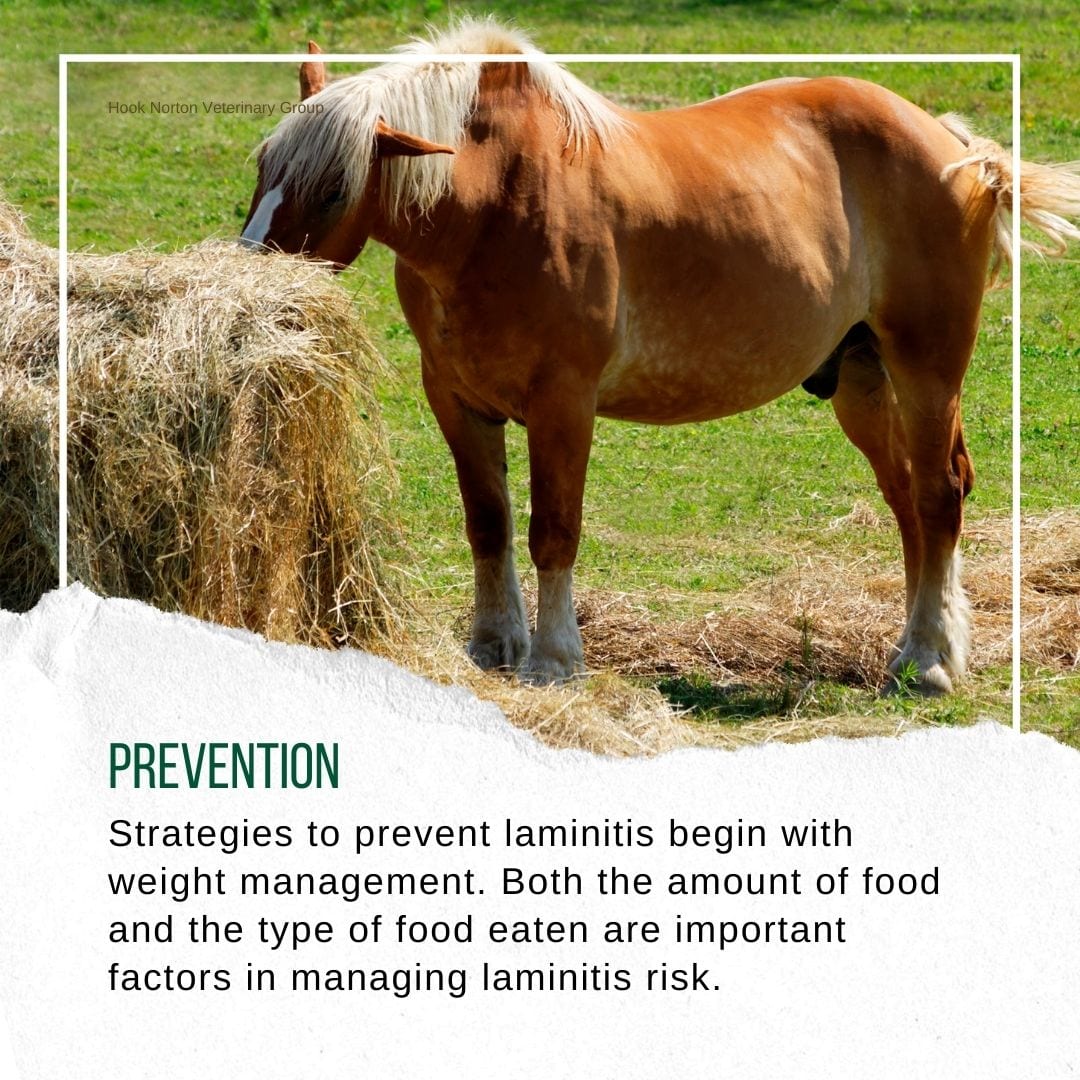
Strategies to prevent laminitis begin with weight management. Hopefully your horse will have lost weight over the winter, as evolution has designed them to do. The challenge as grazing increases is to prevent, or at least limit, weight gain. Both the amount of food and the type of food eaten are important factors in managing laminitis risk. Try and get on top of your horse’s weight before the flush of grass and it will make it easier to control when the grass does come through. Exercise your horse so they burn more calories than they consume.
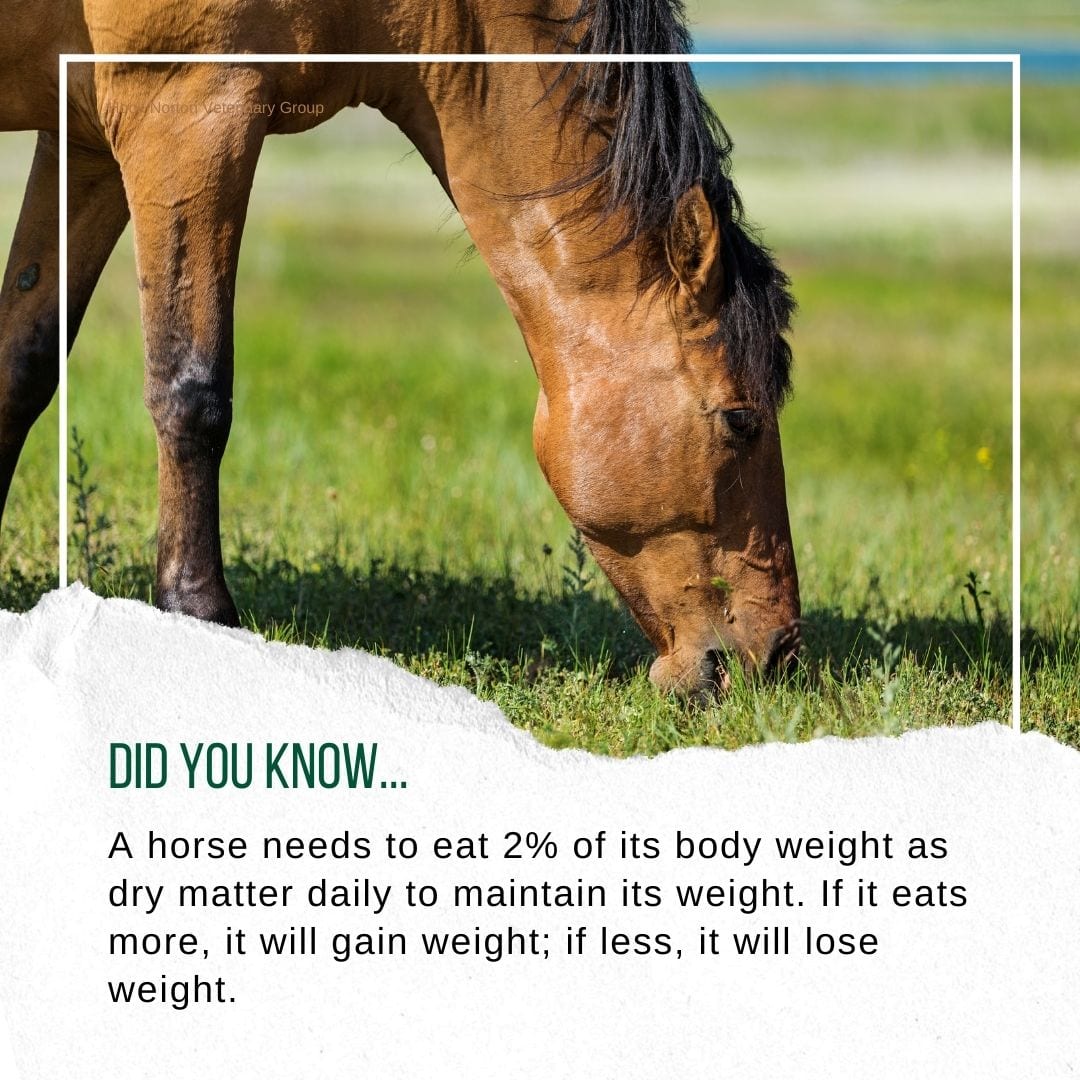
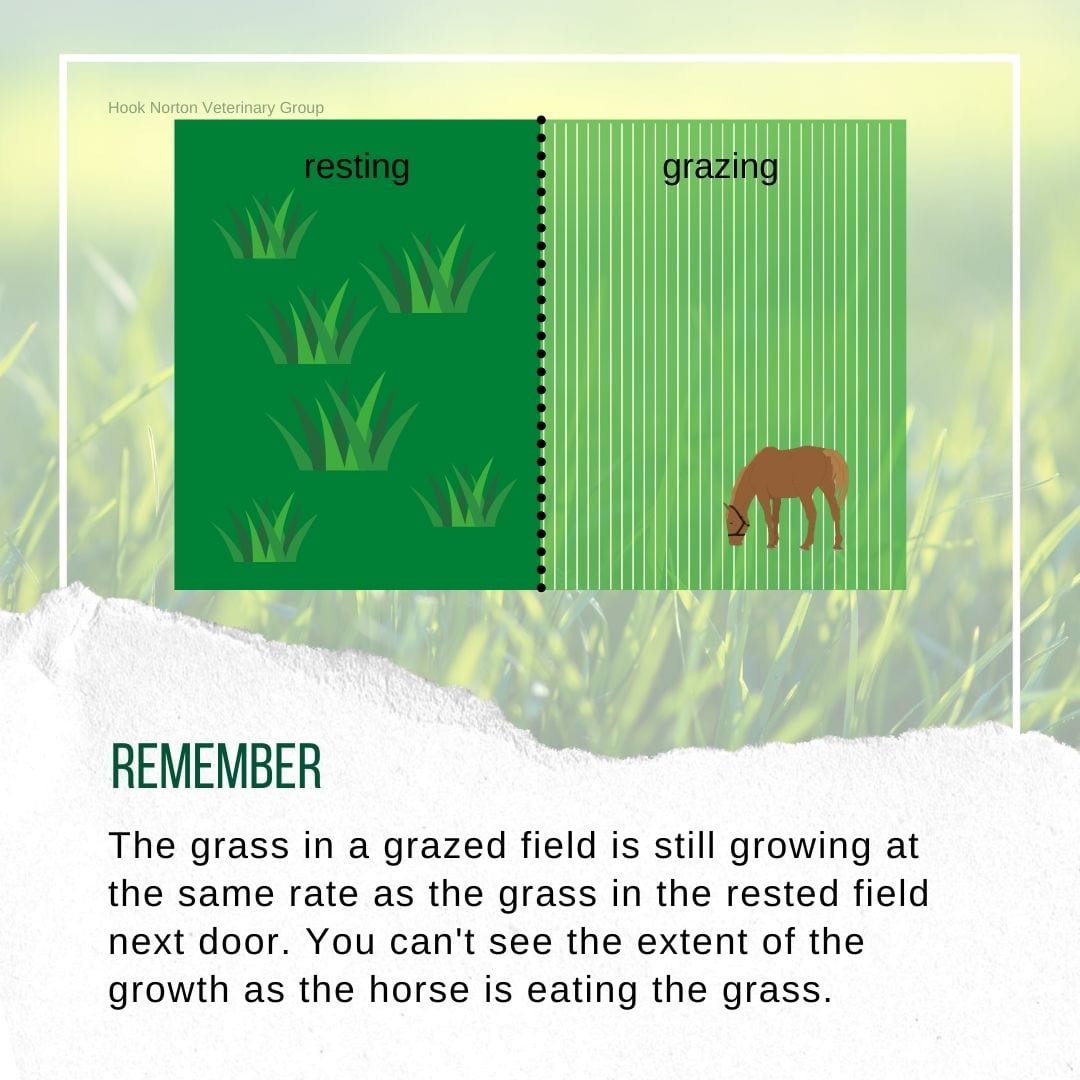
A horse needs to eat 2% of its body weight as dry matter daily to maintain its weight. If it eats more, it will gain weight; if less, it will lose weight. A horse at grass will satisfy and even exceed its requirements just by grazing alone. We need to remember this when stabling horses overnight, so we don’t feed more forage than absolutely necessary. Horses can easily eat the grass as fast as it grows, so you may not perceive the new growth.
Ways to limit grass intake include:
- Limiting time spent grazing
- Limiting the area available for grazing (smaller paddocks), including strip grazing or a track system
- Using a grazing muzzle
- A combination of all of these
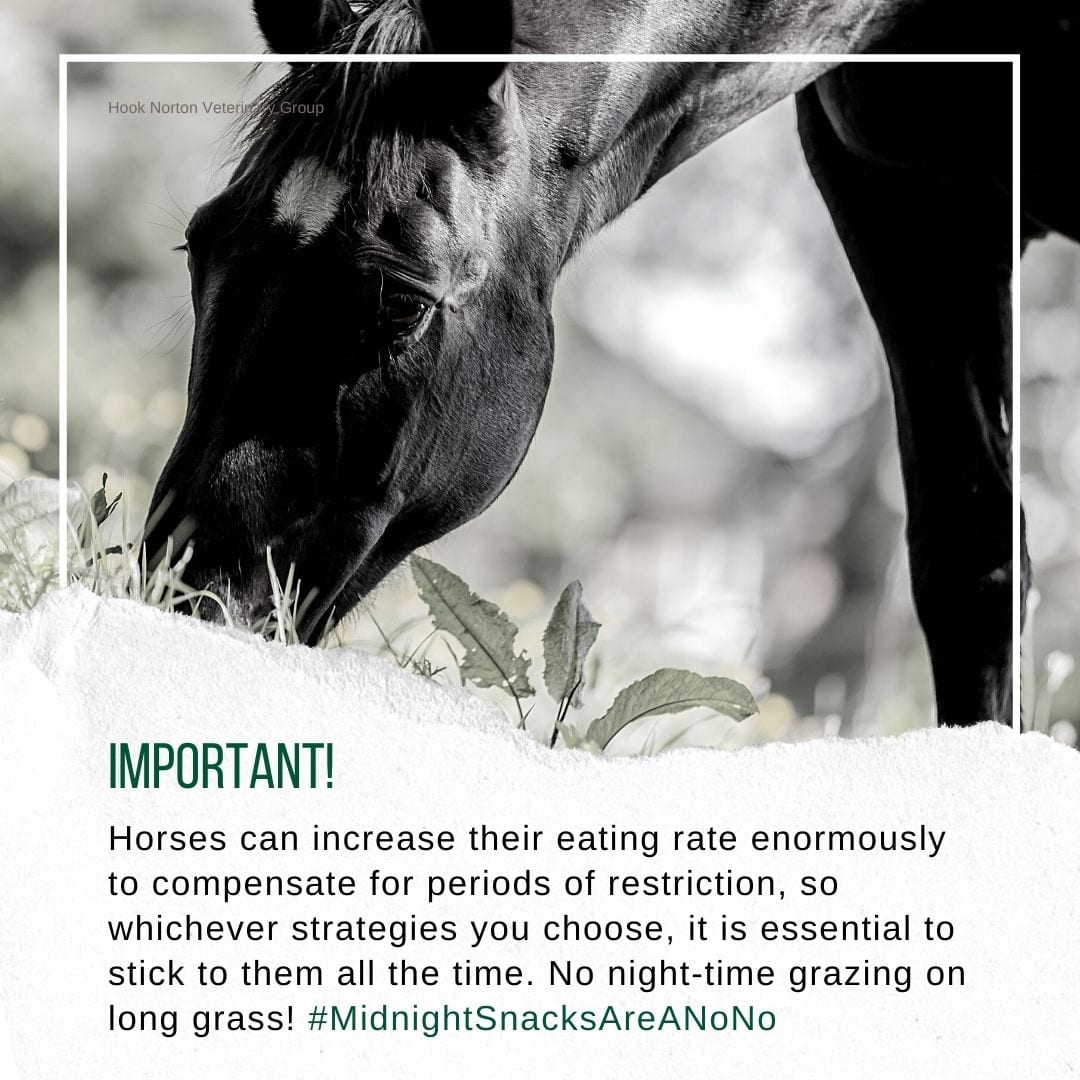
Horses can increase their rate of eating enormously to compensate for periods of restriction, so whichever strategies you choose it is essential to stick to them all the time! For example, there is no benefit in keeping a pony on restricted grazing during the day and then turning them out on to long grass at night, as they will increase their intake on the longer grass to make up for the earlier restriction.
Ways to make forage last longer in the stable include:
- Multiple haynets in different parts of the stable
- Multiple haynets used one inside the other to make it more difficult to get the hay out
- Hayballs (like treat balls, but with more and larger holes for hay)
- Forage blocks (hung in the middle of the stable, so the horse can’t easily bite into them)
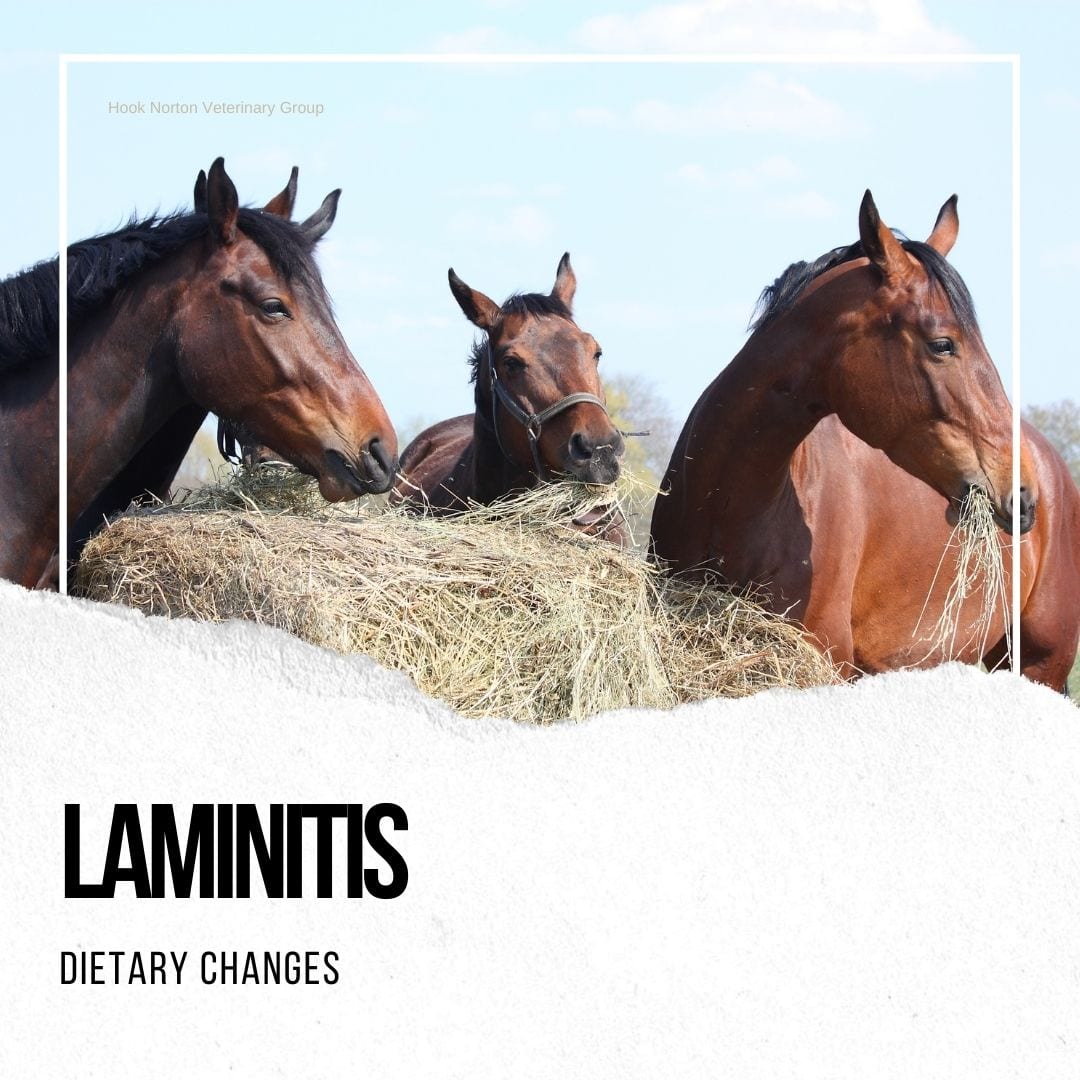
Dietary changes
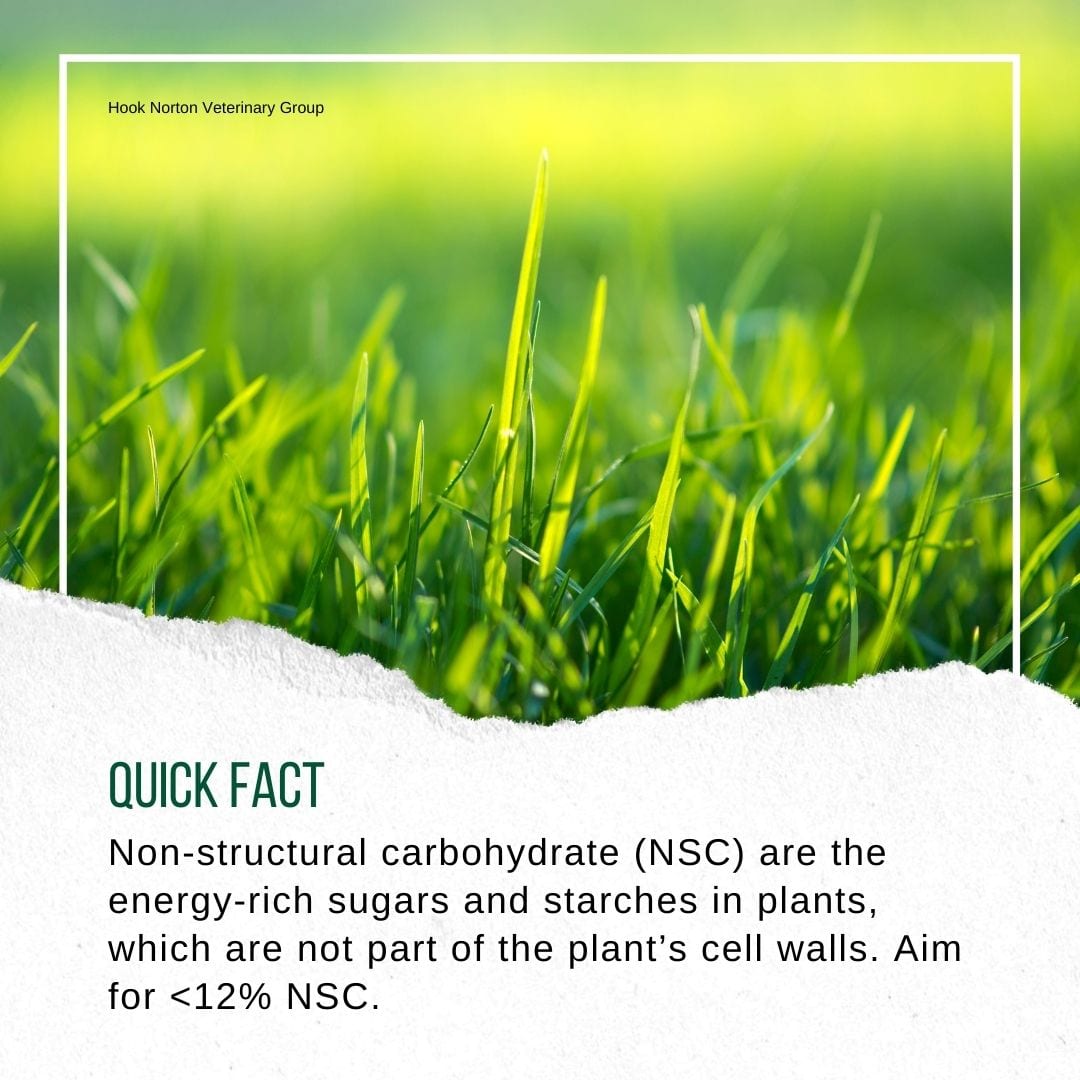
The trigger for laminitis is an abnormally high blood insulin which persists over a period of time. To limit the risk of laminitis, we need to choose feeds that cause as small an insulin spike as possible – salad instead of cheesecake!
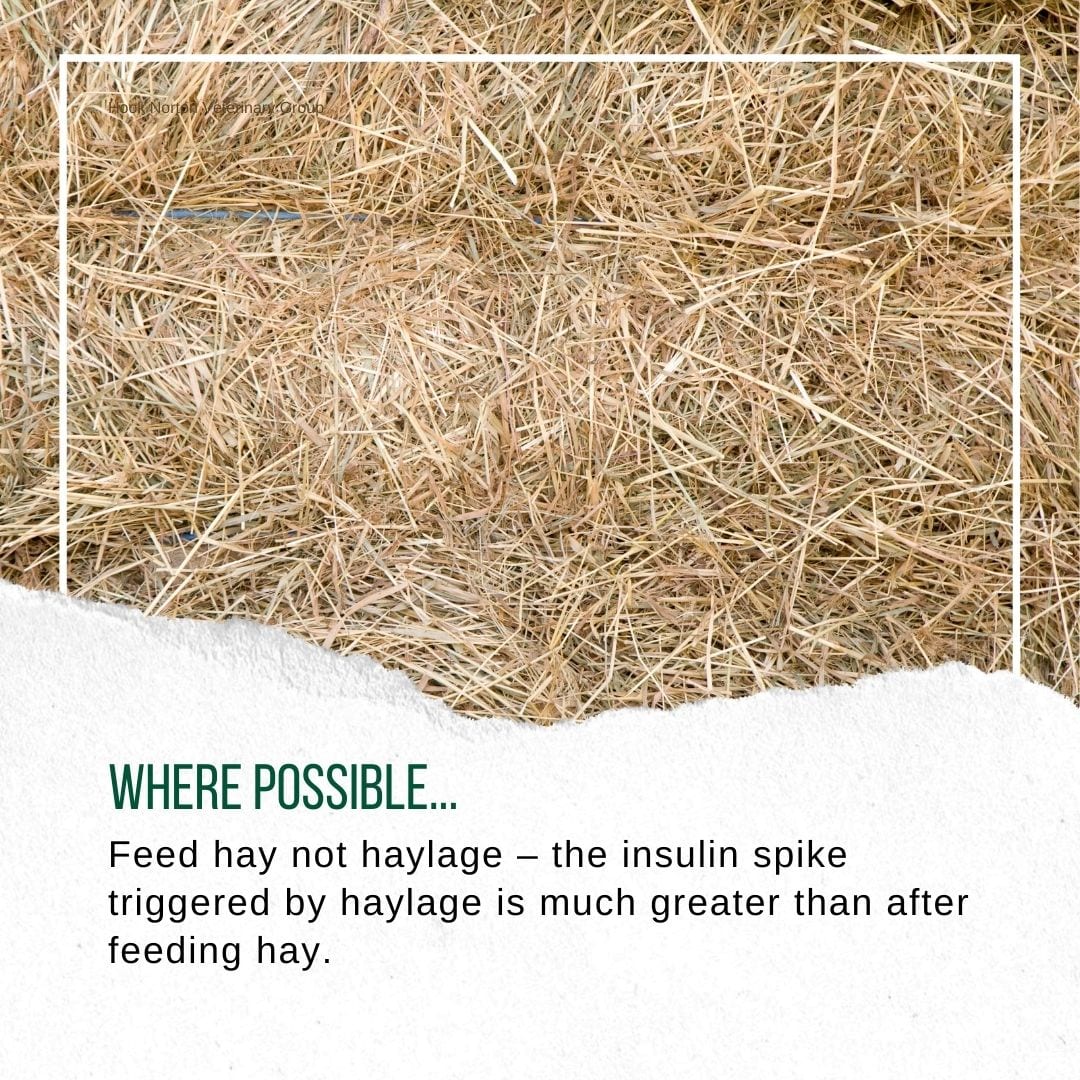
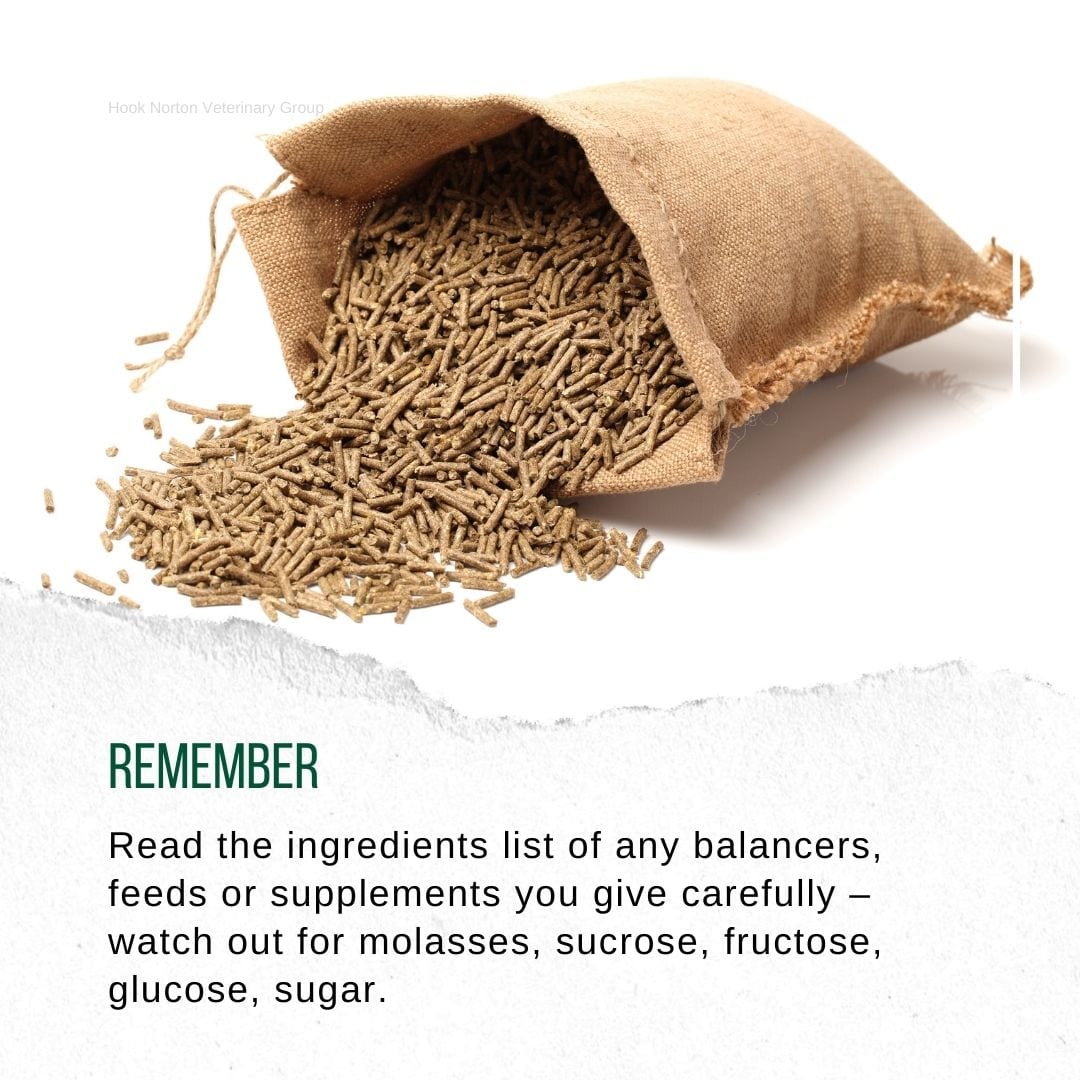
Where possible, feed hay not haylage – the insulin spike triggered by haylage is much greater than after feeding hay. Read the ingredients list of any balancers, feeds or supplements you give carefully – watch out for molasses, sucrose, fructose, glucose, sugar. Mixes tend to be very sugary and are best avoided. Feed bags should also carry an indication of the energy density of the feed – most horses not in racing or advanced eventing need remarkably little hard feed.
If you think your horse has laminitis
Contact us to speak to one of our equine vets on 01608 730085. We also have an online checklist you can download to see if your horse is showing signs associated with laminitis: Laminitis Checklist (PDF).
See also our guide to equine Cushing’s disease, the most common hormonal cause of laminitis.
Written by Sally Hodgson, BSc (Hons), MA, VetMB, Cert AVP (EM), MRCVS.