The Importance of Pet Dental Health
As we head into 2026, many of us are setting health goals for ourselves, and it’s the perfect time to think about your pet’s health, too. One area often overlooked is dental care; good oral hygiene plays a vital role in your pet’s comfort, well-being, and overall health.
Why Pet Dental Health Matters
Dental disease can be easy to miss in the early stages, but if left untreated, it can lead to serious health problems.
Pain and Discomfort
Sore gums and diseased teeth can make eating painful. You may notice changes in appetite, persistent bad breath, or your pet becoming quieter, irritable, or lethargic.
Tooth Loss
Untreated dental disease can weaken the structures that support the teeth, eventually leading to loose or lost teeth.
Wider Health Problems
Bacteria from the mouth can enter the bloodstream and affect vital organs such as the heart, liver, and kidneys. Maintaining good dental health helps reduce these risks.
Persistent Bad Breath
While some level of “pet breath” is normal, ongoing bad breath is often an early warning sign of dental disease.
Keeping Your Pet’s Teeth Healthy at Home
A proactive approach to dental care can make a real difference.
-
Regular brushing – Ideally daily, using a pet-safe toothbrush and meat-flavoured toothpaste
-
Dental chews and toys – Help reduce plaque build-up and complement brushing
-
Diet choices – Some diets are designed to support dental health, and dry kibble can help reduce plaque as your pet eats
Why Professional Pet Dental Health Procedures Are So Important
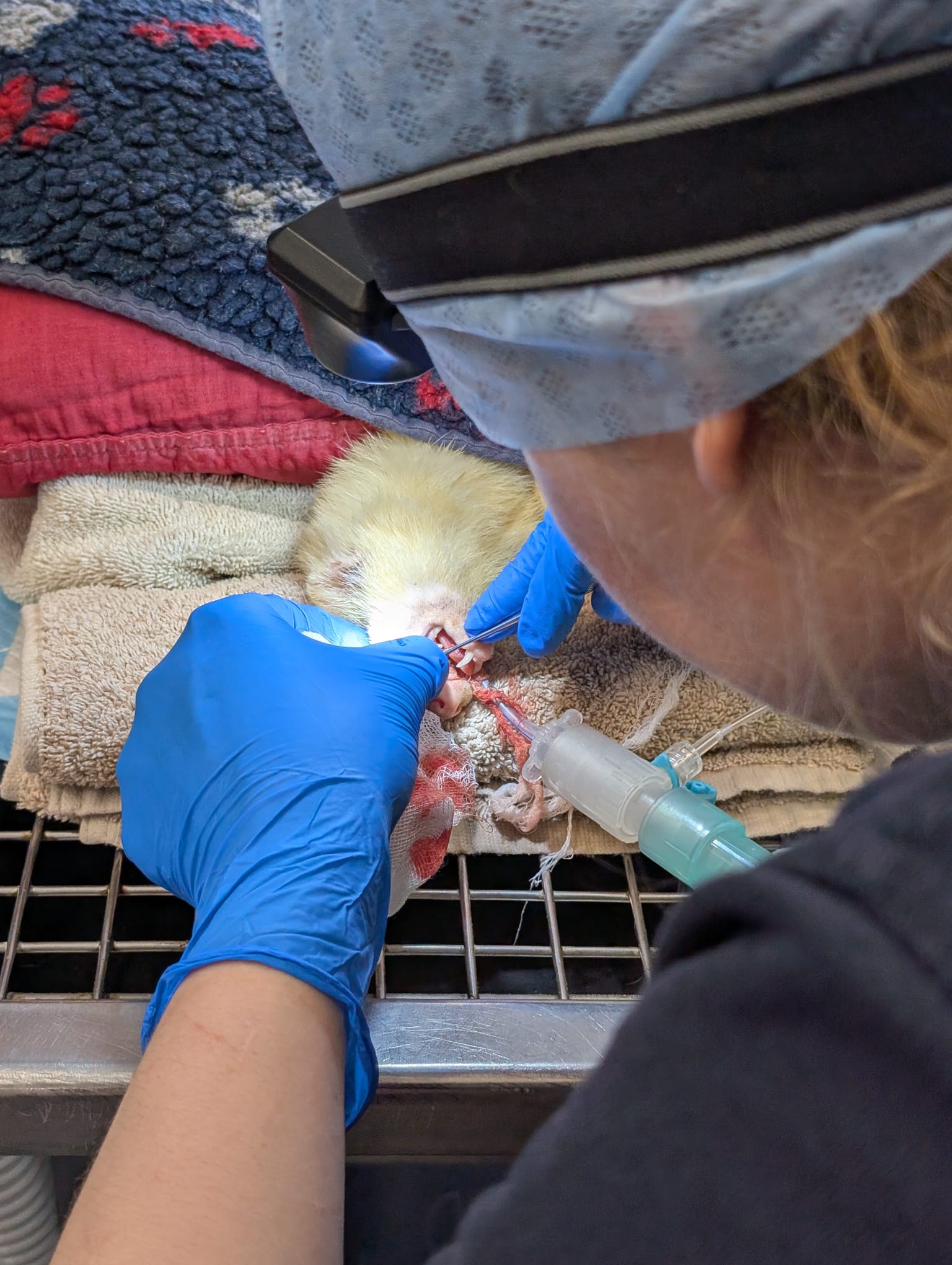
Even with good home care, many pets still require professional dental treatment. A full dental procedure allows us to assess and treat issues that cannot be seen during a routine examination.
General Anaesthetic (GA)
A general anaesthetic is essential for a safe, thorough, and stress-free dental examination. It allows us to clean below the gum line and take dental X-rays, where many serious problems can be hidden.
Full Dental Examination and Charting
Each tooth is carefully examined and recorded, allowing us to identify problems early and create a tailored treatment plan for your pet.
Scaling and Polishing
Plaque and tartar are removed from above and below the gum line to help prevent periodontal disease.
Dental X-rays
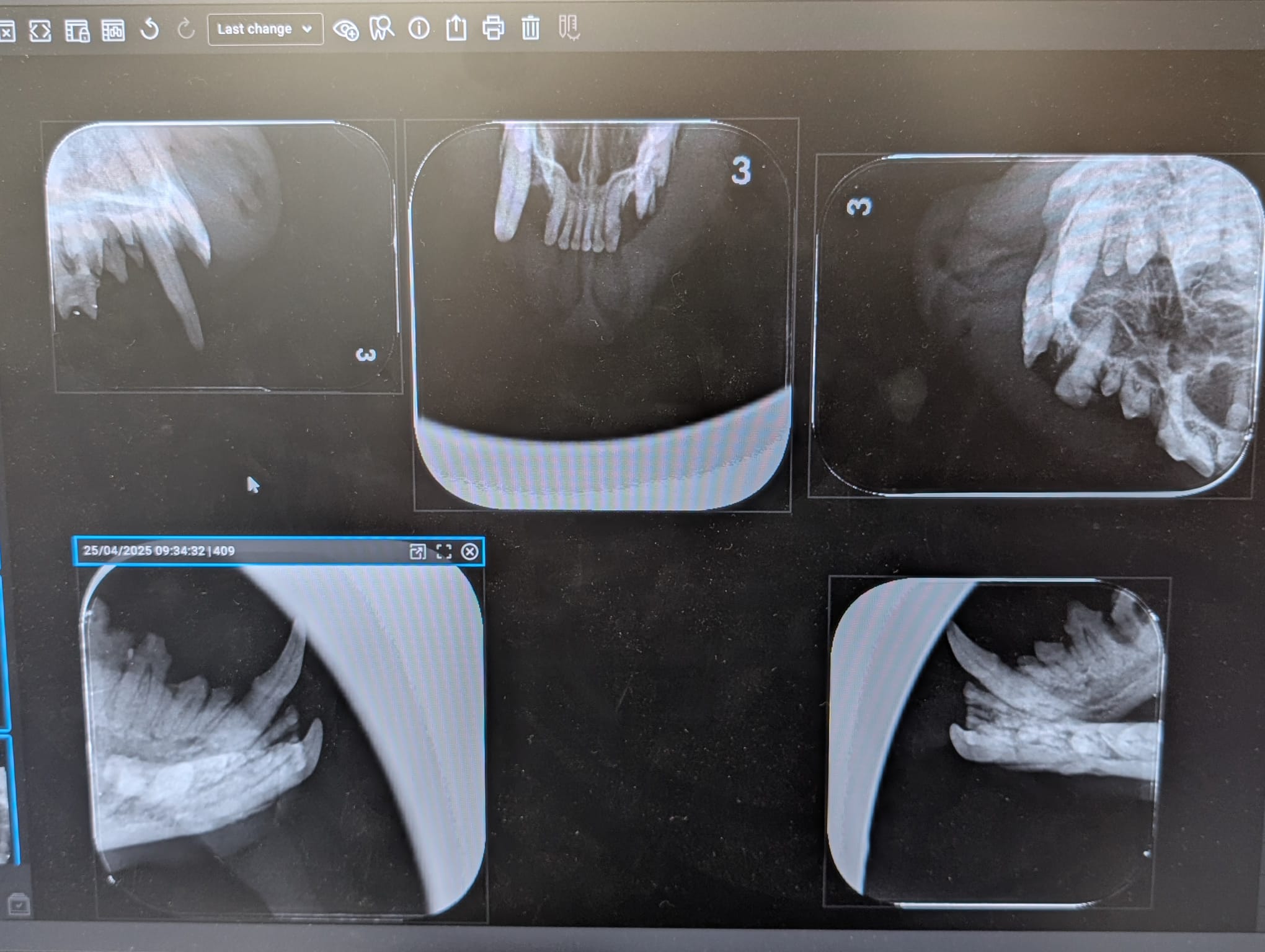
X-rays allow us to assess tooth roots and surrounding bone, identifying infections, abscesses, and bone loss that are not visible to the naked eye.
Extractions if Needed
If a tooth is painful or beyond repair, extraction can provide immediate relief. Procedures are carried out with local anaesthesia and appropriate pain relief to ensure your pet’s comfort.
Concerned about your pet’s teeth?
If you’ve noticed bad breath, difficulty eating, or changes in behaviour, please contact the practice to book a dental check with our veterinary team.