Worm Management in Horses is Changing – Here’s Why
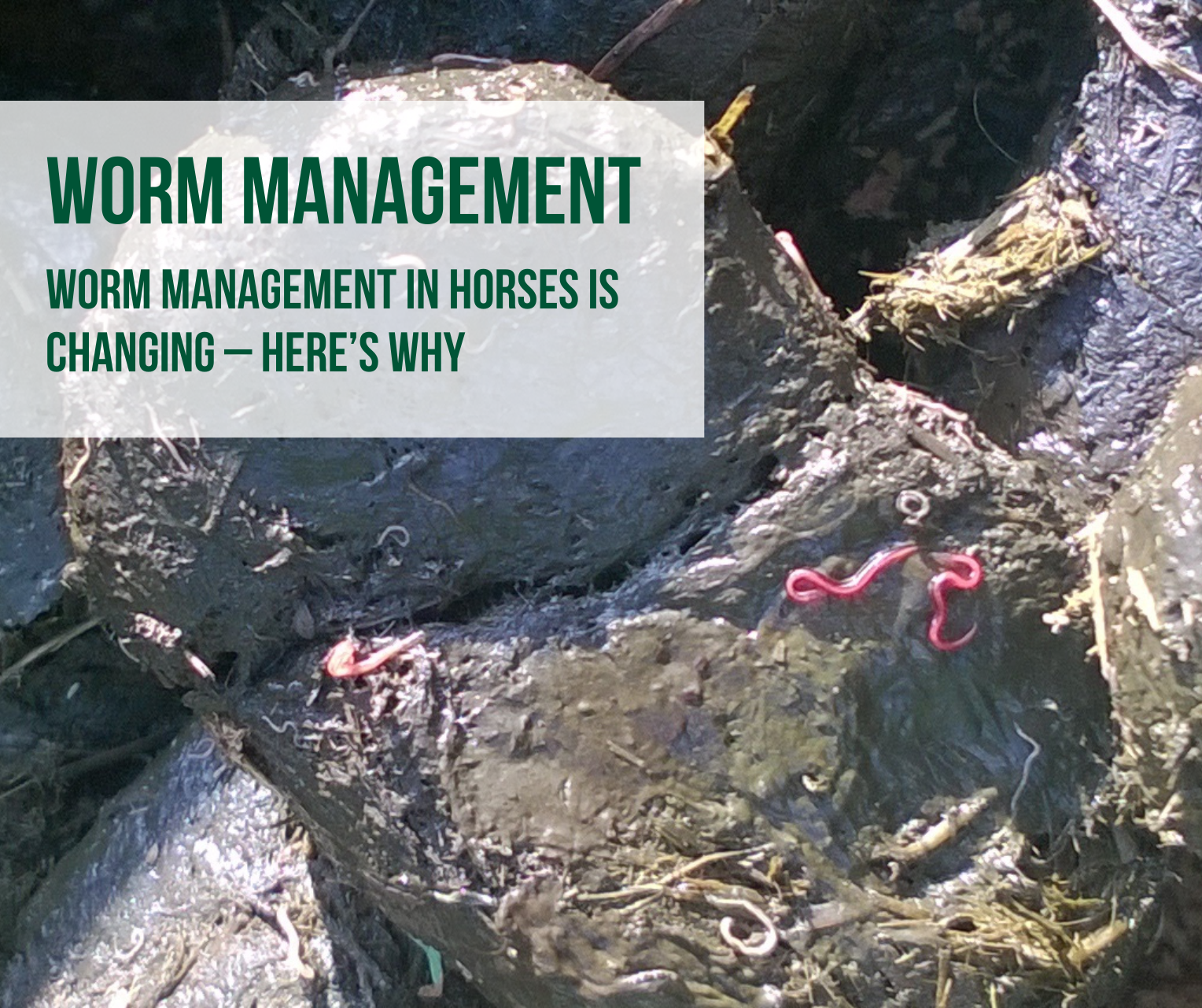
Antibiotic resistance in bacteria is something that everyone has heard about – antibiotics are becoming less effective as bacteria develop ways to avoid their effects. But what you may not have heard as much about is anthelmintic resistance (AHR) – the parasitic worms we are used to treating our horses for are becoming resistant to the wormers we have available. Unlike antibiotics, there are NO new wormers in development. Equine disease and deaths due to worms are expected to increase.
What does this mean for the future?
Like antibiotic-resistant infections, AHR will eventually mean that we are unable to control equine worm parasites effectively. Without an effective worm management system, we would become completely reliant on worm control through land management – resting paddocks for long periods of time, and drastically reducing the stocking density of grazing horses.
How bad is the problem now?
Studies carried out in the UK showed resistance to be common in round worms. Redworms showed resistance to one particular class of wormer on ALL the yards studied, and there is evidence of reduced efficacy of all wormer classes across the UK.
Aren’t our current worming programmes already enough?
Strategic worming programmes have been advised and increasingly used over the past twenty five years. During that time there has been a lot of research into the impact of different approaches and interventions, and this has now been published as an up-to-date set of guidelines to help us use wormers in as sustainable way as possible – slowing the development of resistance to wormers and identifying non-drug methods of controlling worms in our horses
Principles of strategic worming
- Red worm/cyathostomes/strongyle worms
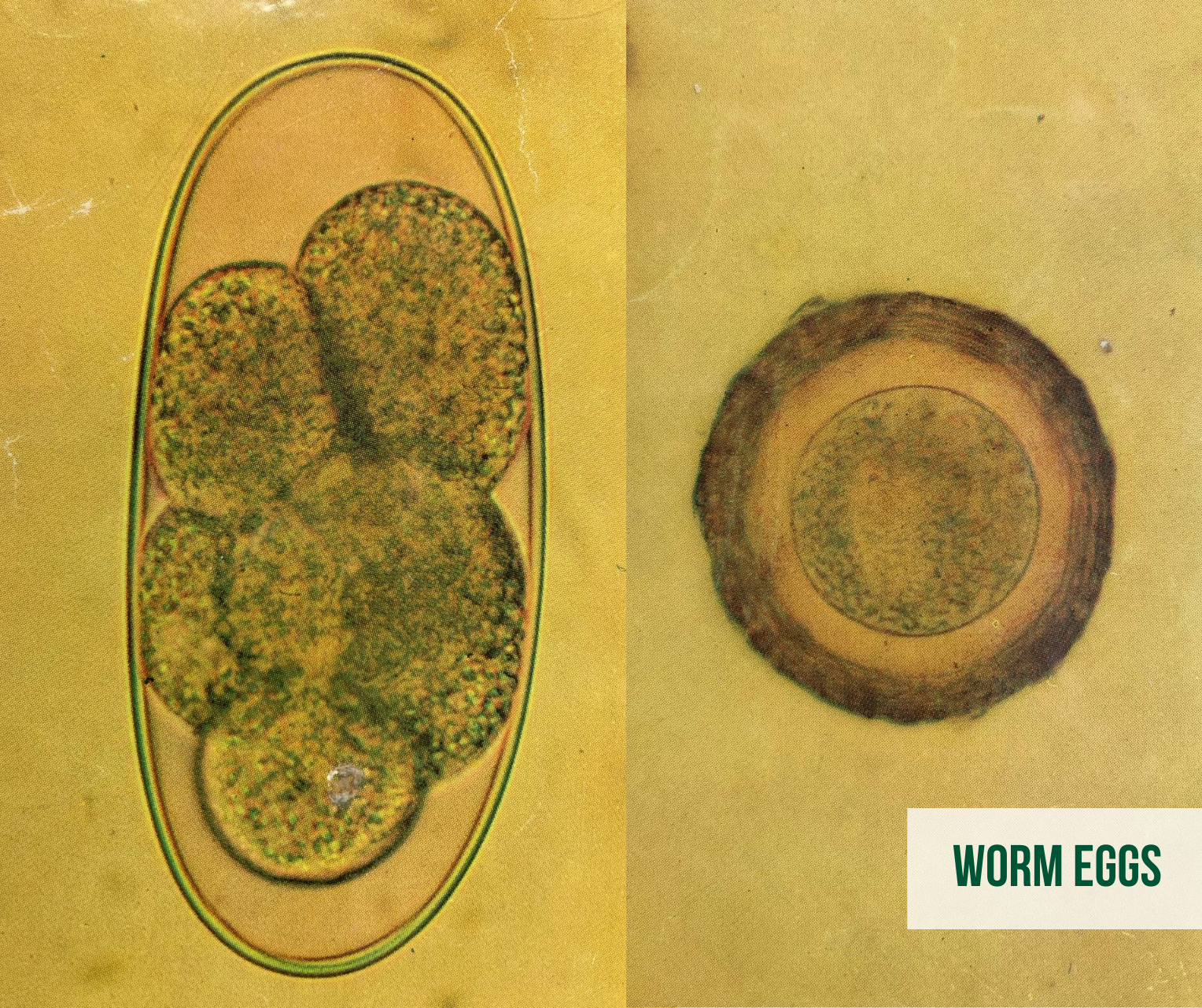
Research has shown us that about 80% of the worm population lives in just 20% of the horse population – this means that on average only 1 in 5 horses will have a worm burden that requires treatment. Testing, such as faecal worm egg counting and saliva tapeworm tests, allows us to identify the minority needing treatment.
The 80% of horses with a low worm burden have a really important role to play in preserving the efficacy of wormers. Consider a group of ten horses. Statistically, only two of them need a wormer. If we give a wormer to all ten horses, we expose all the worms in the treated group to the wormer, and the worms are all killed – apart from any that are resistant to that wormer. These are now the only worms left to reproduce – we have selected for resistant worms! If instead we test to identify the minority of horses who DO need a wormer, and only treat them, we leave non-resistant worms in the untreated horses to reproduce. This is beneficial, because the non-resistant worms will ‘dilute’ the population of resistant worms to prevent them from becoming the majority. The worms in the untreated horses are ‘in refugia’ – in a refuge from exposure to wormers. This is a key concept in slowing the development of resistance to wormers.
The lifecycle of red worms is relatively short, so it is important to test several times during the year to keep on top of worm burdens. The exact interval will vary depending on the level of risk in each particular case – see further on for how to assess parasite risk.
- Tapeworms
We have suspected for a long time that horses develop immunity to tapeworms – a recent study has proved this, showing that only about 15% of horses need worming for tapeworm. Tapeworms can only be killed by two classes of wormer, and there is already evidence of resistance to these drugs. The tapeworm lifecycle takes about 5 months to complete, so testing once or twice a year is enough. The principle of leaving parasites in untreated ‘refugia’ applies to tapeworms as well as to red worm.
Worm management without wormers
Truly wild horses don’t get sick because of their worm burdens – they range over hundreds of miles, and so are never exposed to such a high concentration of worm eggs that they pick up enough worms to cause disease. Domesticated horses are kept on much smaller areas, often over a period of decades, which allows the environmental load of parasites to increase far beyond the level at which they can cause disease. It has also been found that equine parasitic worms can complete their lifecycle in deep litter straw barns, so horses kept in this type of management system should be tested as well as those out at grass.
The good news is that this high level of exposure is readily controlled by poo picking (a must for worm management)– clearing droppings from the pasture just twice a week is enough to greatly reduce your horse’s risk of acquiring a heavy parasite burden. Over larger areas, the traditional methods of harrowing and resting paddocks for six months are also effective. Harrowing will be most effective on hot sunny days – the sunlight will kill eggs and larvae exposed by the action of the harrow. These chemical-free methods of worm control are more important now than ever, as the efficacy of wormers is decreasing.
Changes in worming strategies
More testing – treating horses twice a year or less reduces the development of resistance to wormers. Faecal worm egg counts (FWEC) and tapeworm saliva tests will help guide us in formulating worming plans tailored to each individual. Monitoring your horse’s FWEC results over time helps us to assess their risk of disease due to worms. Re-testing after worming (Faecal Egg Count Reduction Tests, or FECRT) may be used to monitor how effective worming has been, allowing us to identify signs of resistance and adjust treatment advice accordingly.
Increased treatment threshold – recent research shows that we should only be worming horses with a faecal worm egg count of 600 eggs per gram (EPG) of higher. There may be exceptions to this in individual cases.
DOs and DON’Ts of Equine Worming
DO use a weightape to guide how much wormer to give. Weightapes tend to underestimate (apart from in very small ponies) so round up to the next 50kg. For example, if the weightape reads 526kg, give a 550kg dose.
DO get advice on which wormer to use – current advice is to use just one drug group each year, rather than several different wormers in succession.
DO seek advice from your Vet if you want help setting up a worm management system
Don’t divide wormer doses – splitting the dose results in underdosing, so the worms aren’t exposed to a high enough level of the wormer to kill them. This contributes to the development of resistance.
Don’t worm without testing, if at all possible – you could be wasting money on wormers you don’t need!
Myth busting
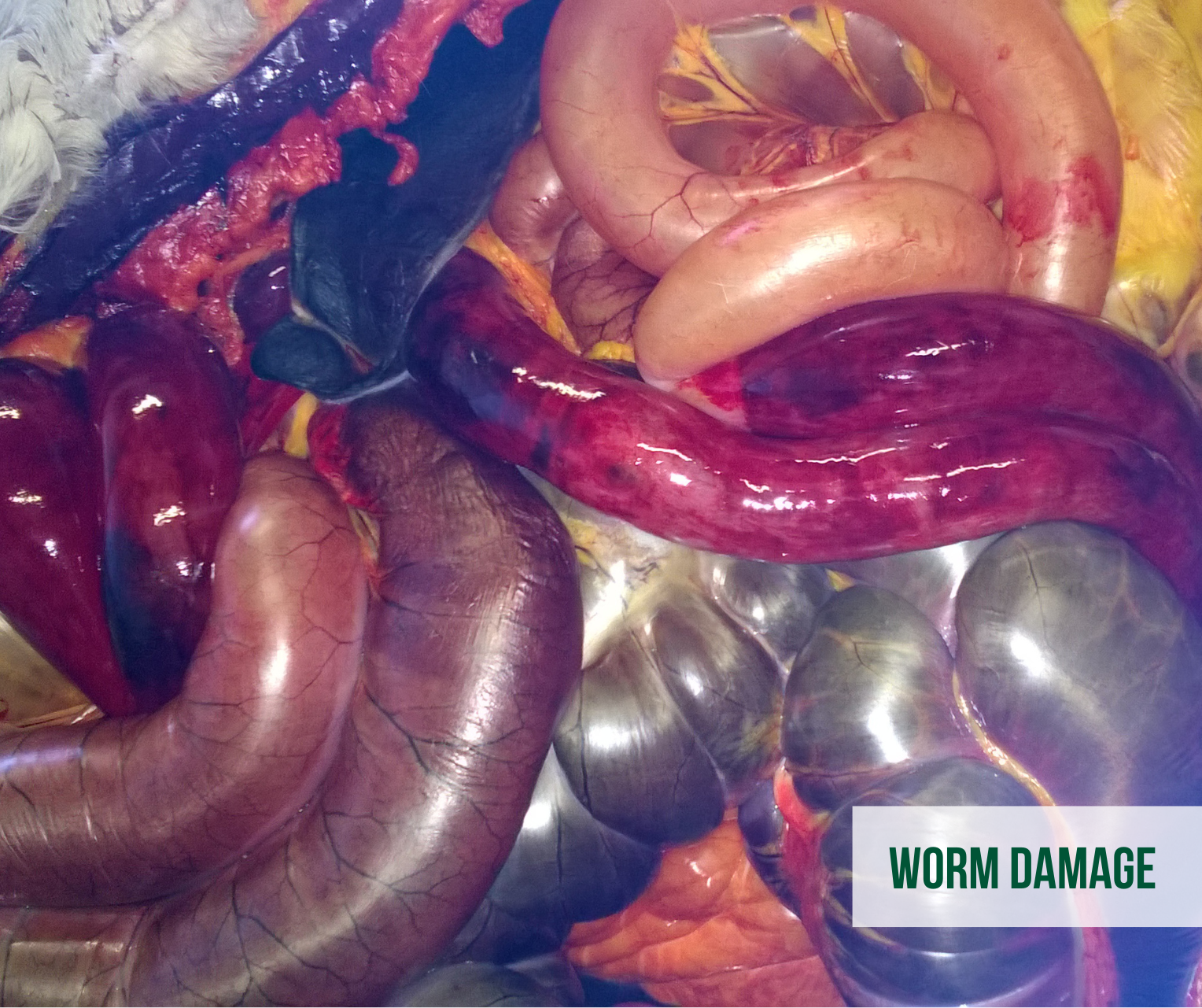
There are no wormers that are toxic to miniature Shetlands! Adverse reactions to wormers in any horse are almost always caused by an overdose, or happen because the horse receiving the wormer had a very heavy worm burden. The death of the worms causes inflammation – if there are hundreds of thousands of dying worms in the intestine, there’s going to be a lot of inflammation!
Controlling the adult worm population doesn’t prevent disease caused by worm larvae – adult and larval worms respond differently to wormers, even without resistance!
There is no wormer that is ‘stronger’ than another – the different wormer types work in different ways, and affect different worm species differently too!
Wormers don’t cure stomach ulcers! Some wormers may look like antacid liquid but they have no effect on ulcers at all.
Despite lots of research, there is no evidence that herbal wormers, garlic and other ‘natural’ wormers have any beneficial effect in horses.
Where can I find out more?
CANTER is a new pan-industry voluntary group formed in 2023 to provide collaborative expertise to address the problem of anti-parasitic resistance in equines. Take a look at their website!
Horse Owners – CANTER (canterforhorses.org.uk)
Written by Sally Hodgson. Senior vet at HNVG, BSc (Hons), MA, VetMB, Cert AVP (EM), MRCVS