Understanding Bovine TB Testing: How the Skin Test Protects Cattle, Farms and Public Health
Bovine tuberculosis (bTB) remains one of the biggest disease challenges facing the UK cattle industry. Regular testing is an essential part of controlling the disease, helping to protect cattle, safeguard neighbouring herds and maintain confidence in our food supply.
The bovine TB skin test has been used for many years and is the primary method of detecting infected cattle before they show obvious signs of illness. But how does the test work, how accurate is it, and why is it so important?
What is the bovine TB skin test?
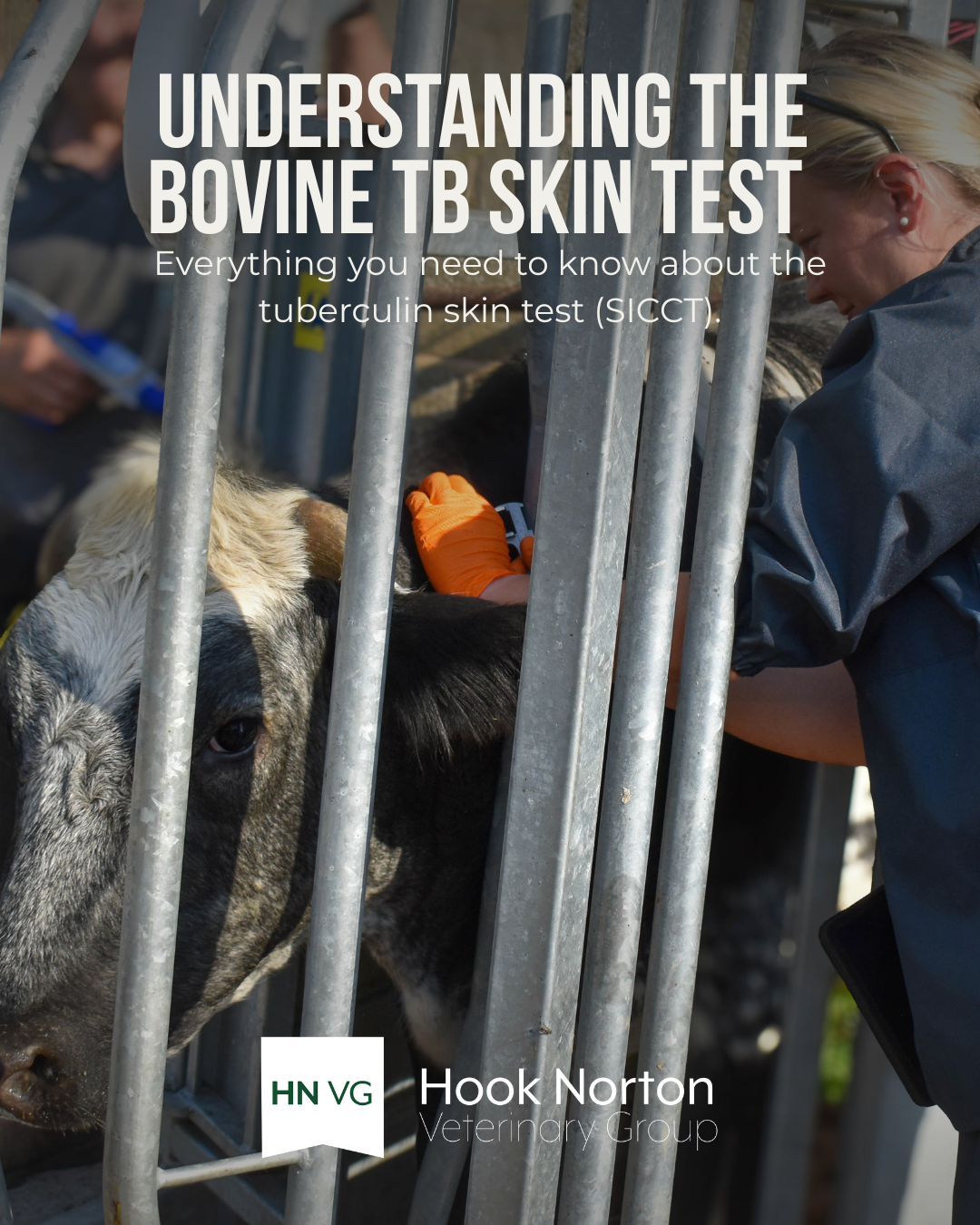
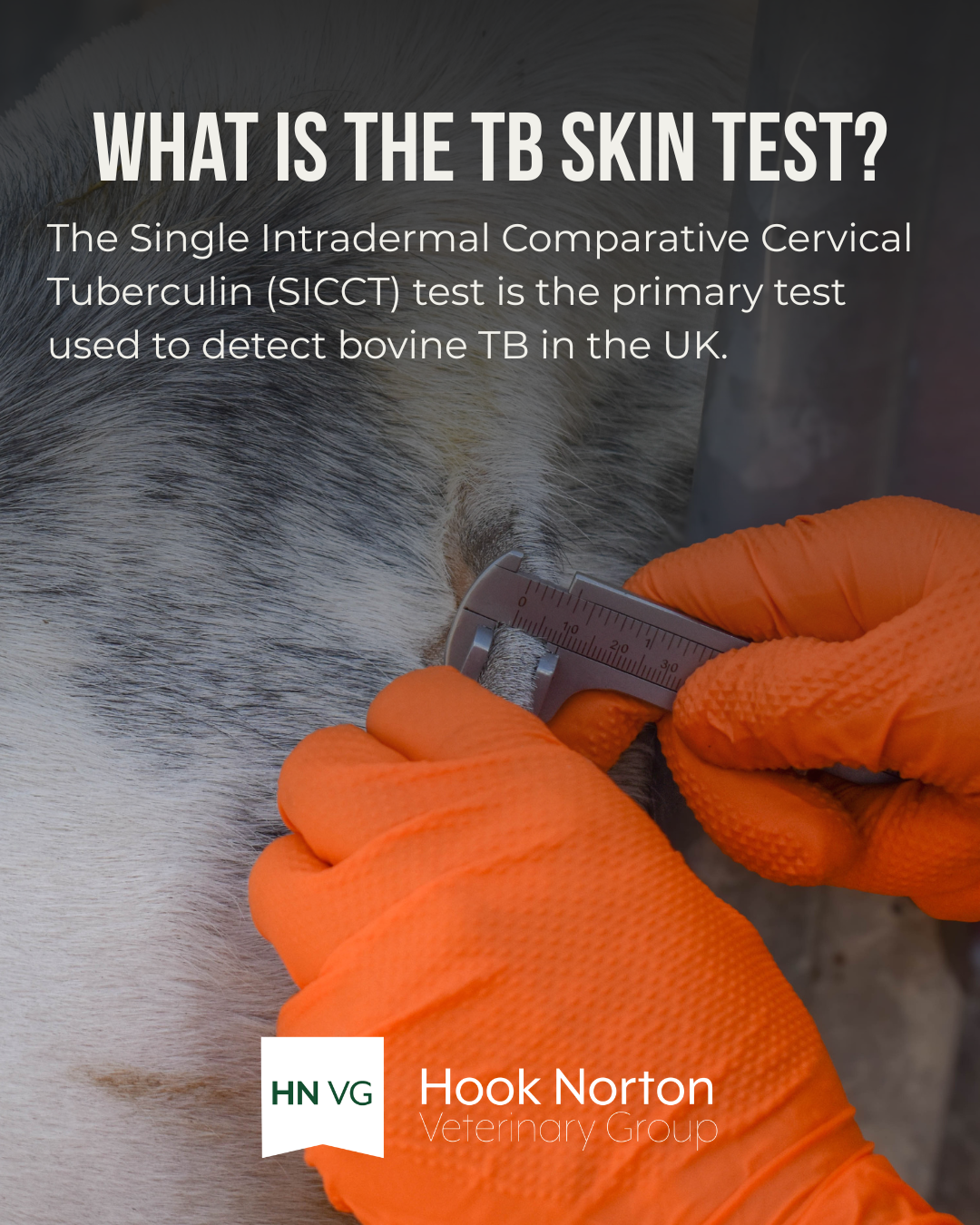
The Single Intradermal Comparative Cervical Tuberculin (SICCT) test is the official skin test used throughout the UK to identify cattle that may be infected with bovine tuberculosis.
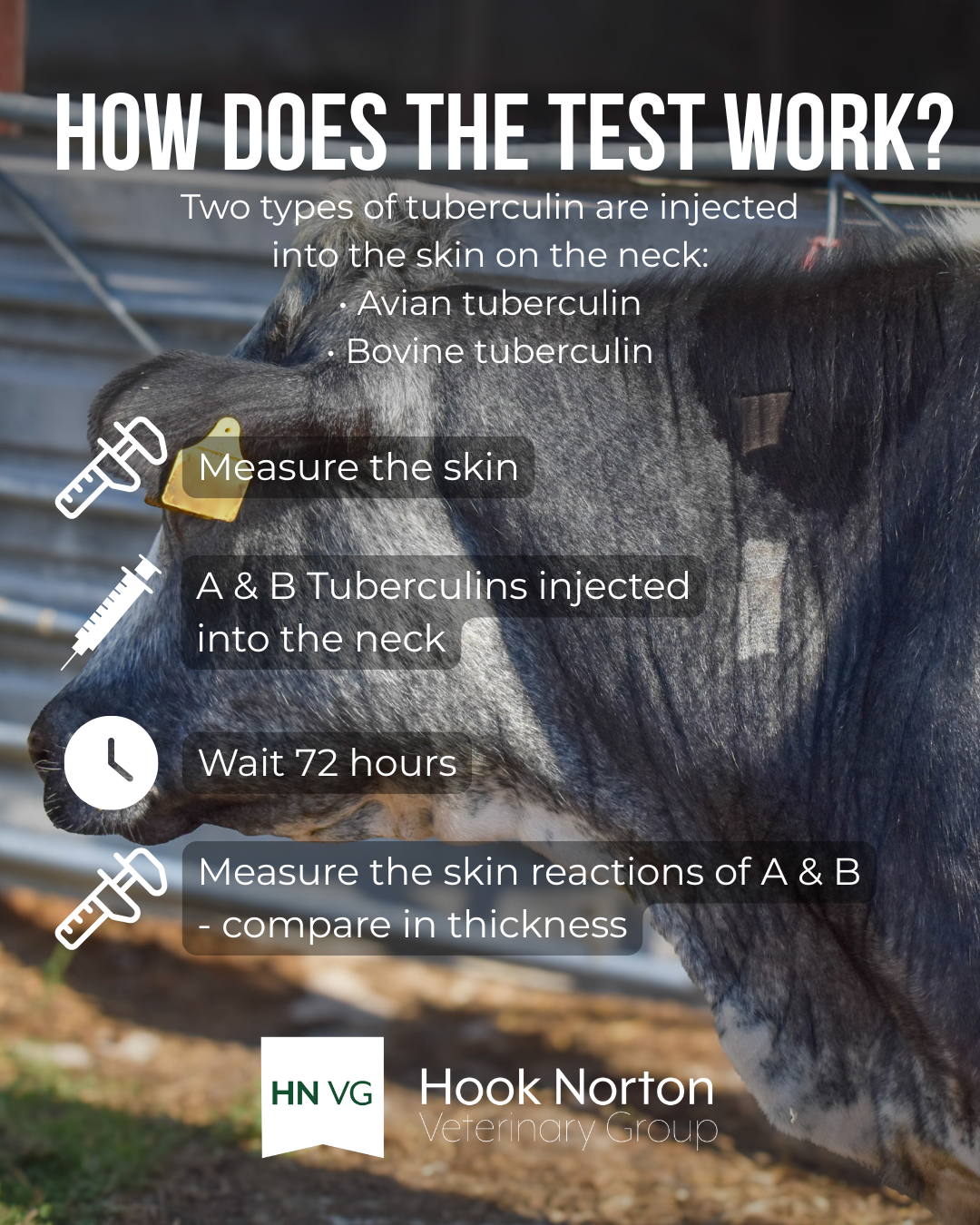
During the test, two small injections are administered into the skin on the side of the neck:
– Avian tuberculin
– Bovine tuberculin
The thickness of the skin at each injection site is measured before the injections are given. Seventy-two hours later, your vet returns to measure the reactions. Comparing the two responses helps determine whether the animal has been exposed to the bacteria that cause bovine TB.
Why is routine bovine TB testing necessary?
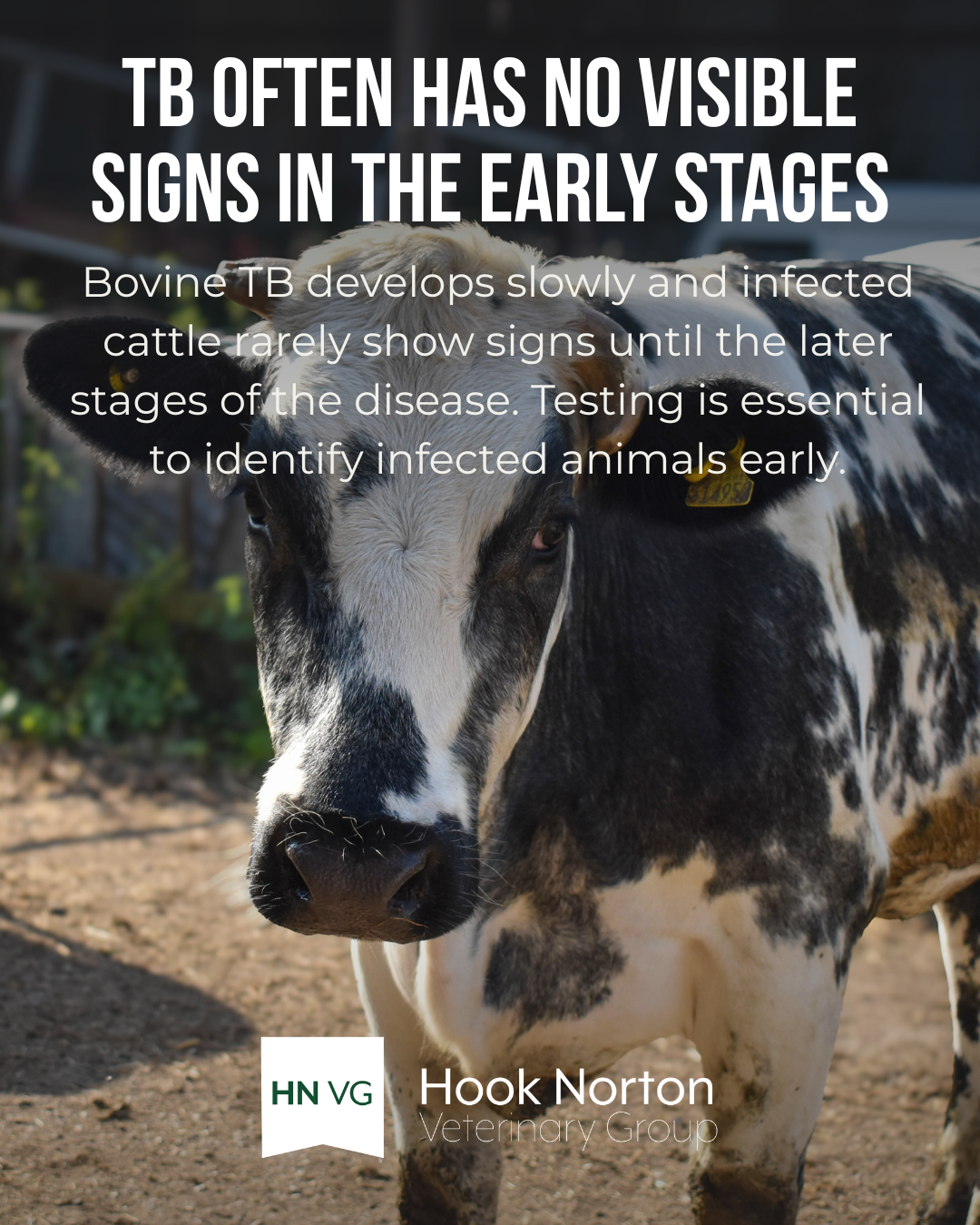
One of the challenges of bovine TB is that infected cattle often appear perfectly healthy.
The disease usually develops slowly, and animals may carry the infection for months or even years before showing any obvious clinical signs. During this time, infected cattle can spread the disease to other animals within the herd.
Routine testing allows infected animals to be identified much earlier than would otherwise be possible, helping to reduce transmission and protect herd health.
Understanding the test results
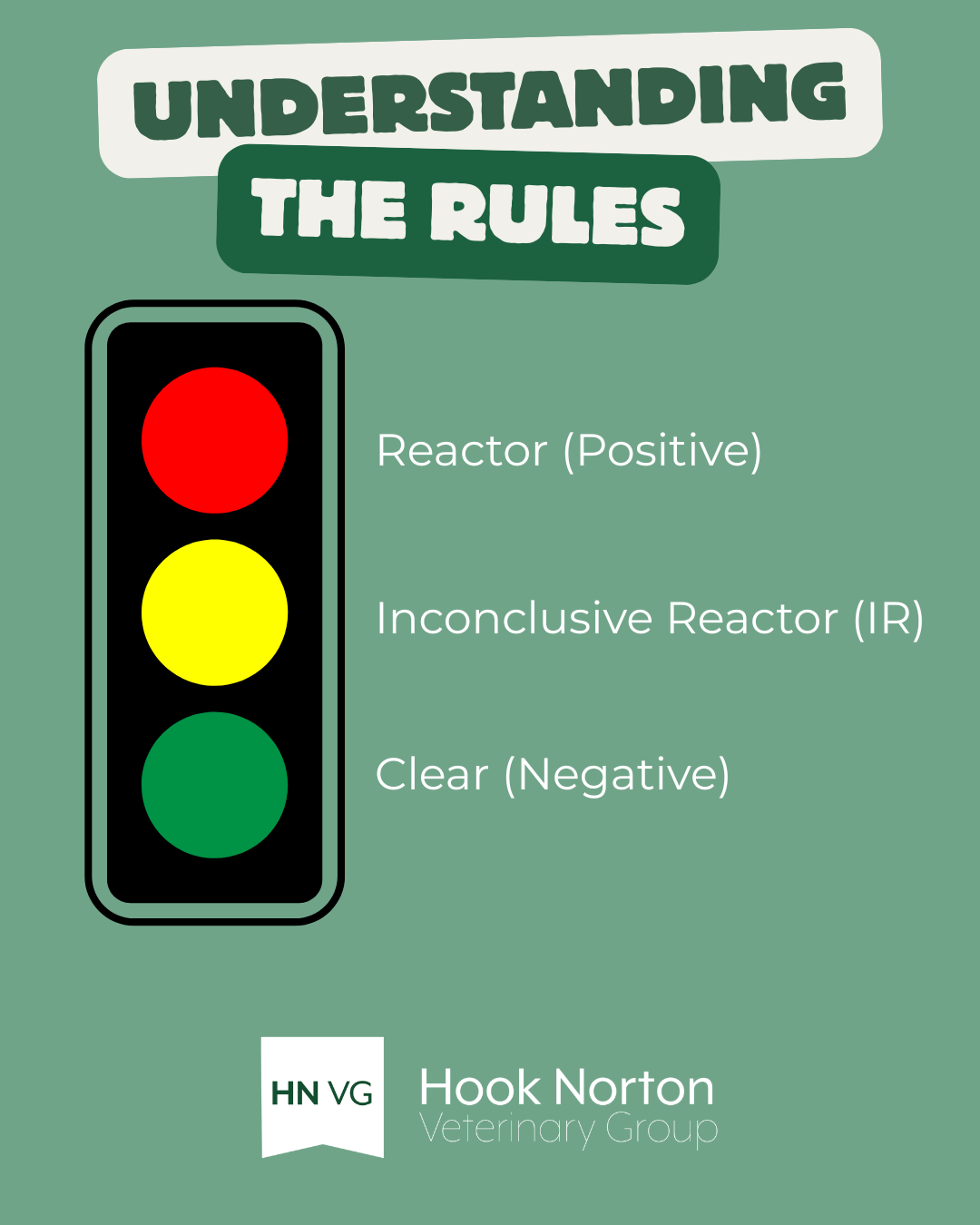
Following testing, cattle will receive one of three outcomes:
Reactor (Positive): The reaction indicates the animal is likely to be infected with bovine TB and appropriate disease control measures are implemented.
Inconclusive Reactor (IR): The animal has shown a reaction that requires further investigation or repeat testing.
Negative (Clear): No significant reaction to the bovine tuberculin is detected.
How accurate is the TB skin test?
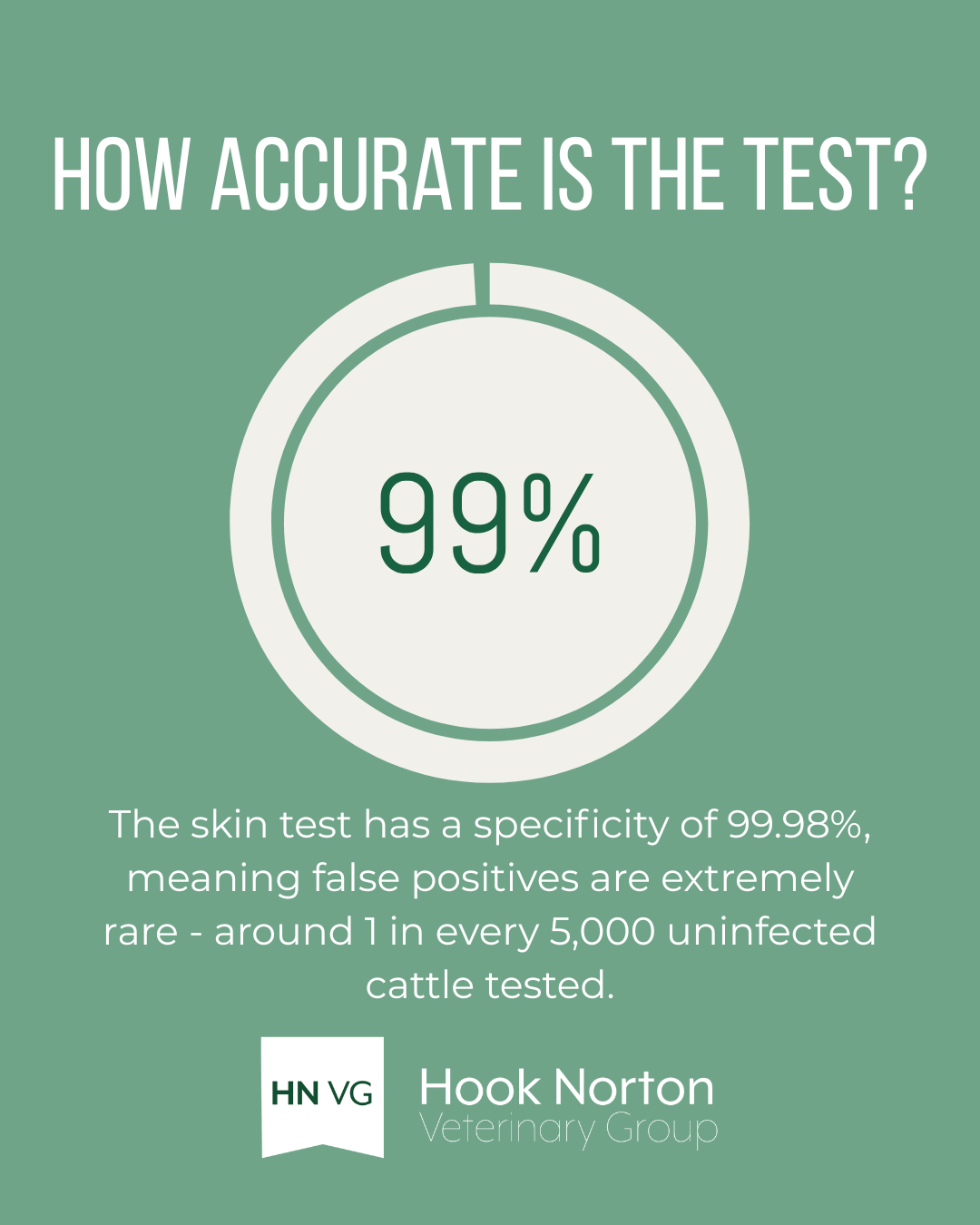
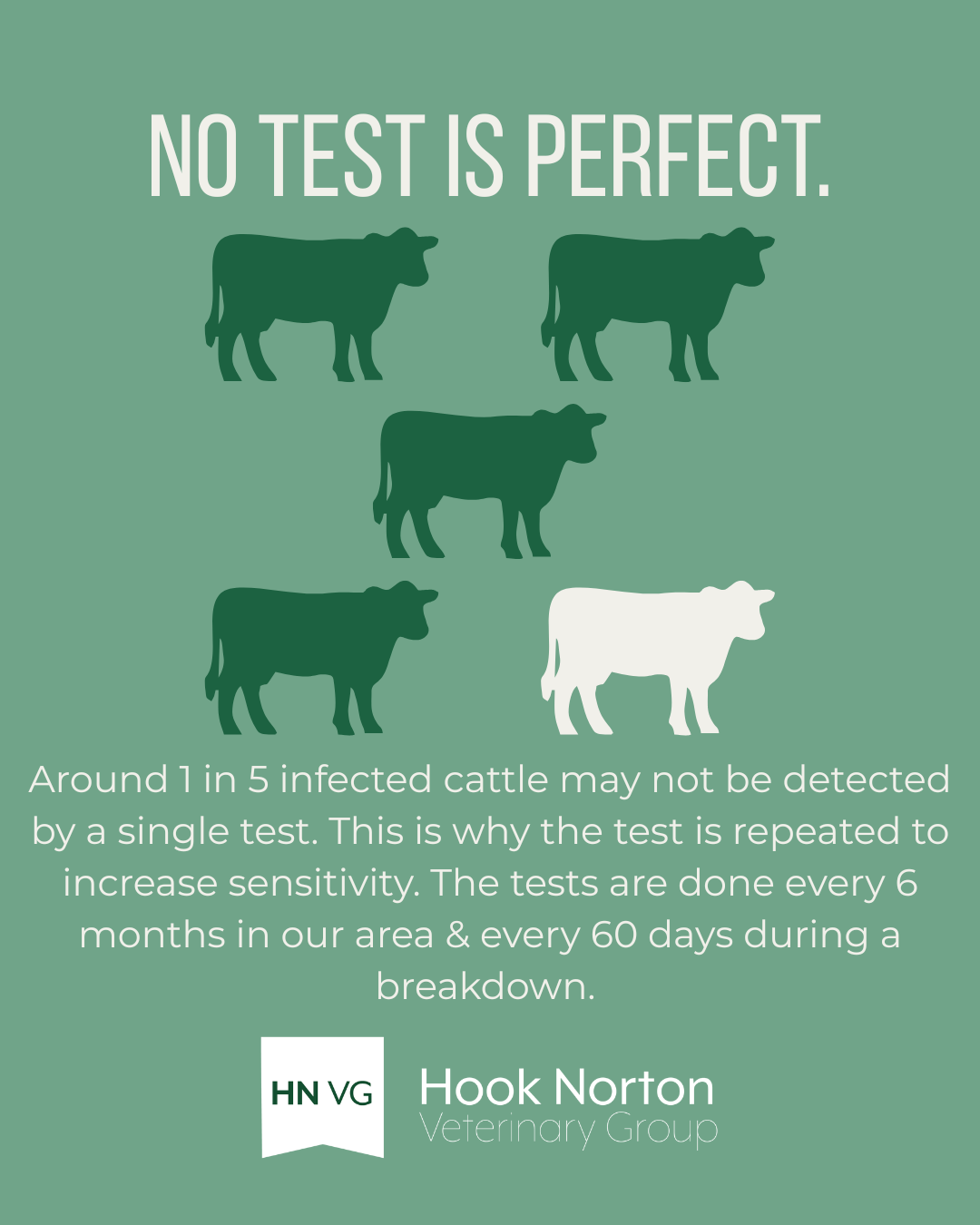
No diagnostic test is perfect, but the SICCT test performs very well.
The test has an extremely high specificity of around 99.98%. This means false positive results are exceptionally rare, with approximately one false positive occurring for every 5,000 uninfected cattle tested.
Like all diagnostic tests, however, the skin test is not 100% sensitive. Some infected cattle may not react during a single test, which is why routine surveillance and repeat testing remain so important in areas affected by bovine TB.
Why do some infected cattle test negative?
Several factors can affect an animal’s immune response, including:
– Very early stages of infection.
– Advanced infection where the immune response has weakened.
– Individual biological variation.
– Other diseases that may influence immune function.
– This is one of the reasons why repeat herd testing forms such an important part of the UK’s bovine TB control programme.
Why do some reactors have no visible lesions?
A common misconception is that if no TB lesions are seen at slaughter, the animal did not have bovine TB.
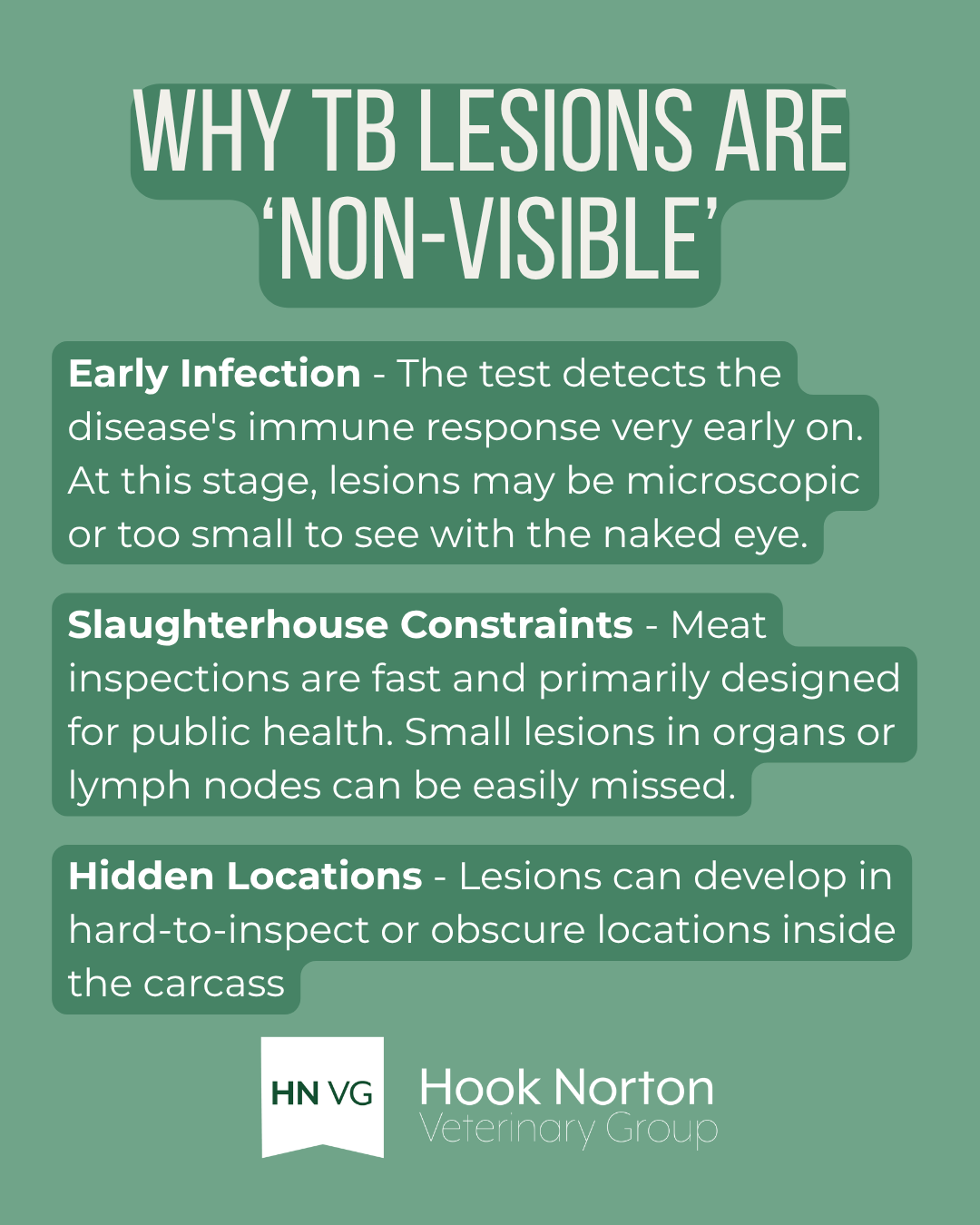
In reality, many skin test reactors have what are known as Non-Visible Lesions (NVLs).
This can occur because:
– The infection is still in its early stages.
– Lesions are microscopic and cannot be seen with the naked eye.
– Lesions are located deep within tissues or lymph nodes.
– Routine meat inspection is not a full veterinary post-mortem examination.
– Around 60% of skin test reactors have no visible lesions during routine slaughterhouse inspection. However, laboratory testing often confirms infection in these animals, demonstrating that the skin test is detecting the animal’s immune response before obvious tissue damage has developed.
Why doesn’t the slaughterhouse find every lesion?
Meat inspectors carry out a thorough but standardised inspection designed to protect food safety.
To minimise contamination of the carcass, unnecessary incisions are avoided, and only selected organs and lymph nodes are routinely examined. Very small or hidden lesions may therefore not be visible during inspection.
This is why the absence of visible lesions does not necessarily mean the animal was free from bovine TB.
Why does bovine TB testing matter for public health?
Bovine TB is a zoonotic disease, meaning it can, in rare circumstances, infect people.
Today, the risk to human health in the UK is very low thanks to several important safeguards:
– Routine cattle bovine TB testing.
– Removal of infected animals from the food chain.
– Strict meat inspection at slaughter.
– Pasteurisation of milk.
Working together to control bovine TB
While no single test can detect every infected animal, bovine TB testing remains one of the most effective tools available for identifying infected herds and reducing the spread of disease.
Routine testing protects:
– Individual cattle.
– Herd health.
– Neighbouring farms.
– The wider cattle industry.
– Public health.
By working closely with your veterinary practice and following testing requirements, you play an important role in helping control bovine TB across the UK. For more information please visit the TB Hub.
If you have any questions about bovine TB testing, your testing schedule or what your herd’s results mean, our farm animal team is always happy to help.